🎉 Fiestas & Sangria
Where the Fiestas Come From – And Why They Still Set the Northern Costa Blanca Alight
Every summer, the streets of Altea, Calpe, Moraira, Jávea, and beyond explode into a riot of colour, music, and fire. But these aren’t just big parties put on for tourists—they’re the living heartbeat of the region, passed down through centuries of Spanish life.
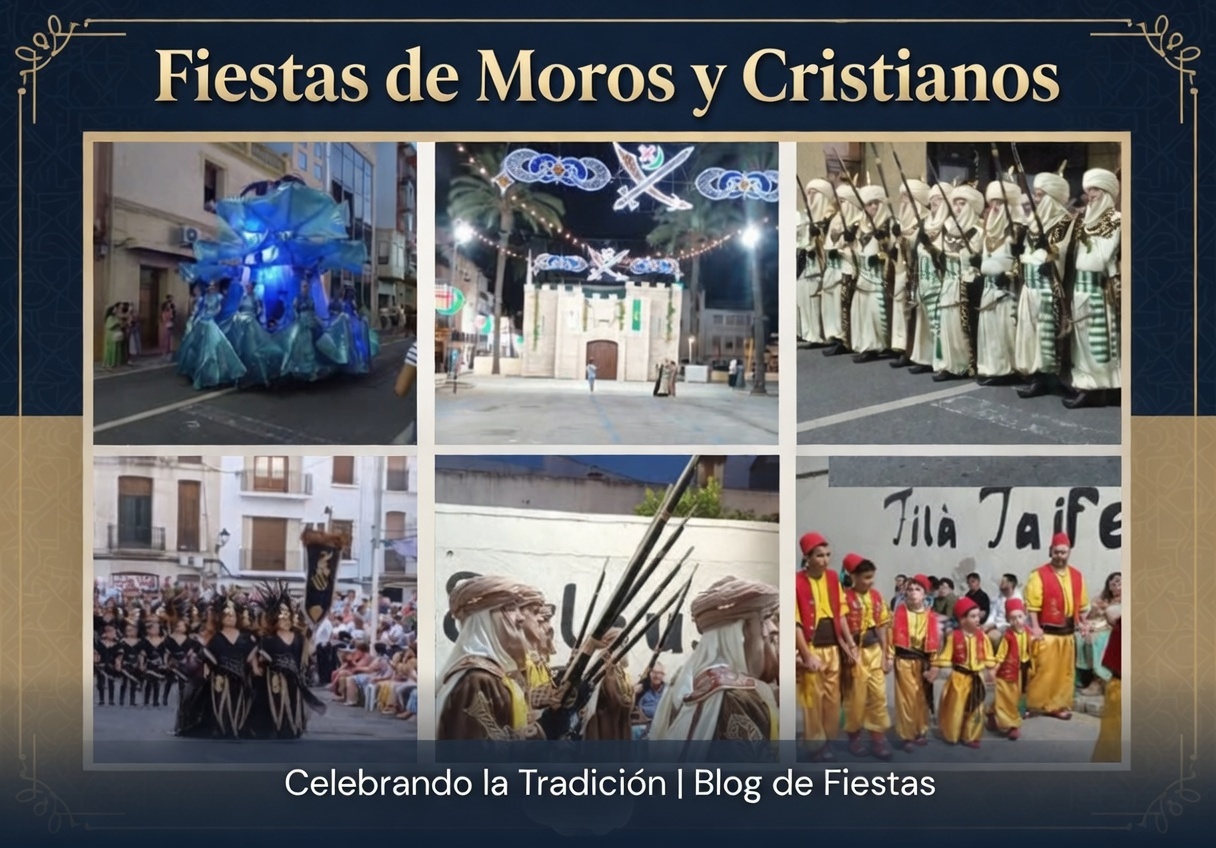
Fiestas in Spain have deep, layered roots. Many began as pagan celebrations marking the sun, the harvest, and the turning of the seasons. When Christianity swept in, the Church smartly overlaid its saints’ days onto those ancient rhythms. Then came the dramatic history of the Reconquista—the centuries-long struggle between Moors and Christians that finally ended in 1492. From that epic clash sprang the spectacular “Moros y Cristianos” battles that still thunder across the Costa Blanca today.
Here in the northern stretch—from Dénia down through Xàbia, Moraira-Teulada, Calpe, Altea, and Benissa—the story feels especially personal. This rugged coastline changed hands repeatedly between Muslim and Christian rulers, so those re-enactments aren’t mere fancy dress. They’re a proud, living reminder of who these towns once were and how fiercely they became what they are now. The old fishing villages layered in their own traditions too: the beautiful maritime processions for the Virgen del Carmen every July honour the patron saint of seafarers, keeping the seafaring soul of places like Calpe and Moraira alive with flower offerings to the sea and candlelit boats gliding across the bay.
But why do these traditional towns still throw themselves into fiestas with such passion?
Because they’re the glue that holds everything together.
For locals, it’s a precious chance to reconnect—with neighbours, grandparents, children—all in one glorious, noisy, glitter-dusted week. The whole town pitches in: from toddlers in their first costumes to abuelas cooking mountains of paella for street feasts. It’s where young people learn the old dances, where family stories are retold, and where everyone remembers they belong to something far bigger than themselves.
And honestly? The fiestas are brilliant for the soul of these places. In an era when so many coastal spots risk becoming cookie-cutter holiday resorts, these celebrations keep the authentic Spanish character burning bright. They draw families back from the cities, pack the bars and restaurants, and remind every visitor that behind the sunbeds and sangria stands a warm, proud, centuries-old community.
So when you catch the fireworks bursting over the Mediterranean, or hear drums echoing through the narrow streets of Jávea, Altea, or Calpe this year, you’re not just watching a show. You’re stepping into a tradition that has survived wars, plagues, dictatorships, and tourism booms—and still chooses, year after year, to celebrate life with open arms, loud music, and a whole lot of colour.
In this series, we’ll explore that living tradition town by town: full annual calendars of dates (with notes on recurring or moveable feasts), what makes each fiesta unique, insider tips for watching or joining in, and the stories that make them unforgettable. Whether you’re timing a visit, rediscovering your local home, or simply curious about the rhythm of life here, come along—we’re starting the party!
¡Que comience la fiesta!