
Love It or Hate It: How Benidorm Became the Manhattan of the Costa Blanca
Ever wonder why Benidorm looks like Manhattan while the rest of the Costa Blanca stayed low-rise? Discover the Vespa ride and the bold plan that changed it all.
Hola Terrace Crew,
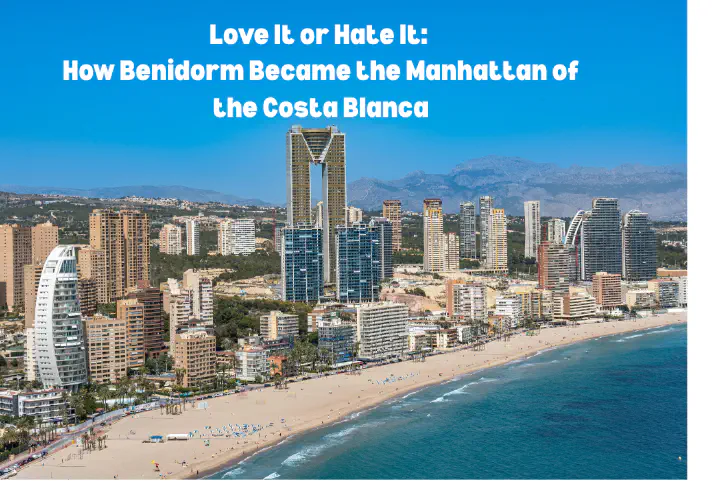
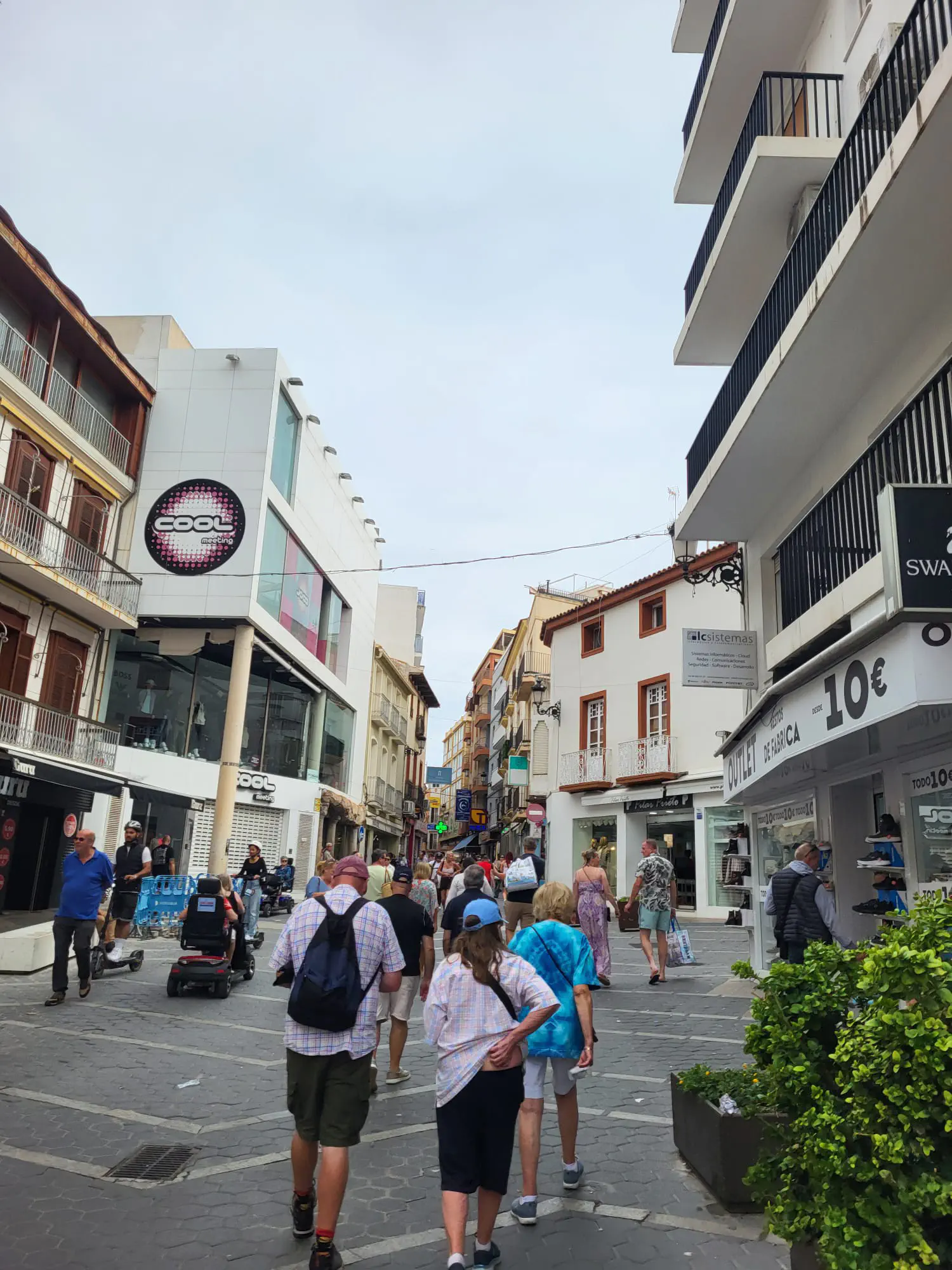
This weekend we headed to Benidorm to do some shopping and catch a bite to eat on the front. Standing there, looking up, it really got me thinking. Why is this the only town on our stretch of the coast with high-rises that seem to be getting higher every year? The building work never stops. It is spreading out, pushing boundaries, and making Benidorm look bigger and more “city-ready” every single day.
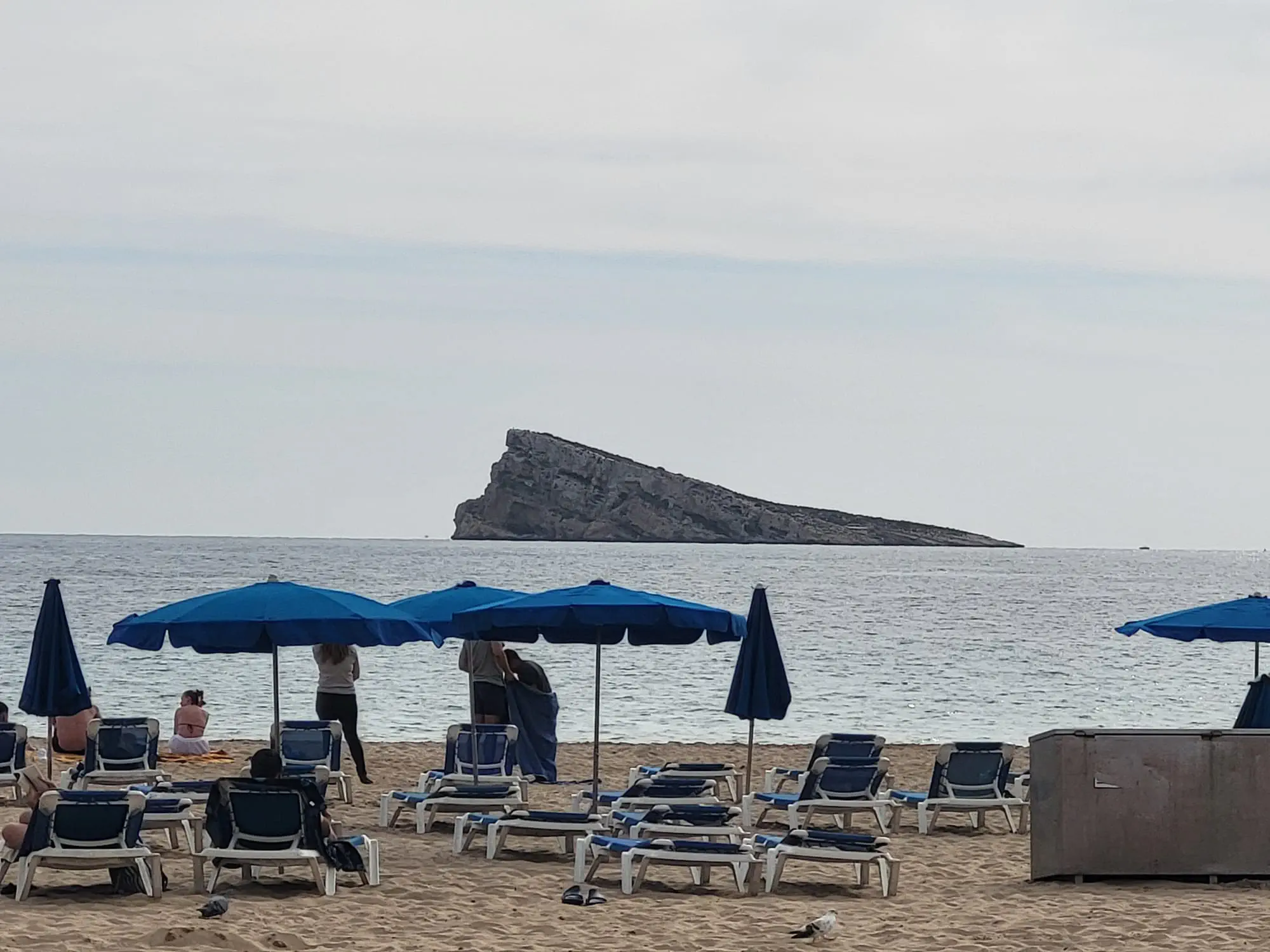
Most of us on the northern Costa Blanca drive past the signs and keep going, or we dip in for a night out and leave again. From the hills around Calpe or Moraira, you can still catch a glimpse of that wall of towers on a clear day, rising where the mountains meet the sea. It is hard to believe that place was once a quiet fishing village with a handful of low white houses, a few nets drying on the sand, and not much else.
Back in 1950, the village had around 2,700 people, most of them living off tuna fishing and a bit of farming. Spain was still recovering from the civil war, money was tight, and the coast was not yet the holiday destination it would become. Into that setting arrived a 28-year-old local man named Pedro Zaragoza, appointed mayor by the authorities of the day. He looked at the beach, the weather, and the empty rooms in the few simple places that existed, and he saw something different. He believed ordinary people from the grey north of Europe deserved a holiday in the sun just as much as the wealthy, and he thought Benidorm could give it to them.
The early moves were practical. He worked to bring water to the town, and he started talking to airlines and travel people abroad. He even sent almond blossom and local wine to places like Stockholm and to well-known figures, trying to put the name on the map. Then came the moment that still gets told whenever the story of Benidorm comes up. Northern visitors were starting to arrive, and with them came the new two-piece swimsuit. In the rest of Spain, the bikini was not welcome. Church leaders and local officials objected strongly. The archbishop of Valencia threatened to excommunicate the young mayor for allowing it. Zaragoza decided the only person who could settle it was Franco himself.
The Story is that he climbed onto his Vespa one morning in 1953 and rode the long road north to El Pardo, outside Madrid. The journey took the better part of a day. When he arrived, he changed his shirt but kept the trousers that were marked with oil from the scooter. He put his case plainly: if the country wanted foreign currency and visitors, it had to accept how those visitors lived. Franco listened, was amused by the determined little mayor in the stained trousers, and gave him the go-ahead. From then on Benidorm became the first place in Spain where the bikini was openly accepted. Franco’s family later spent time in the town, and Zaragoza became known as the mayor of the Vespa.
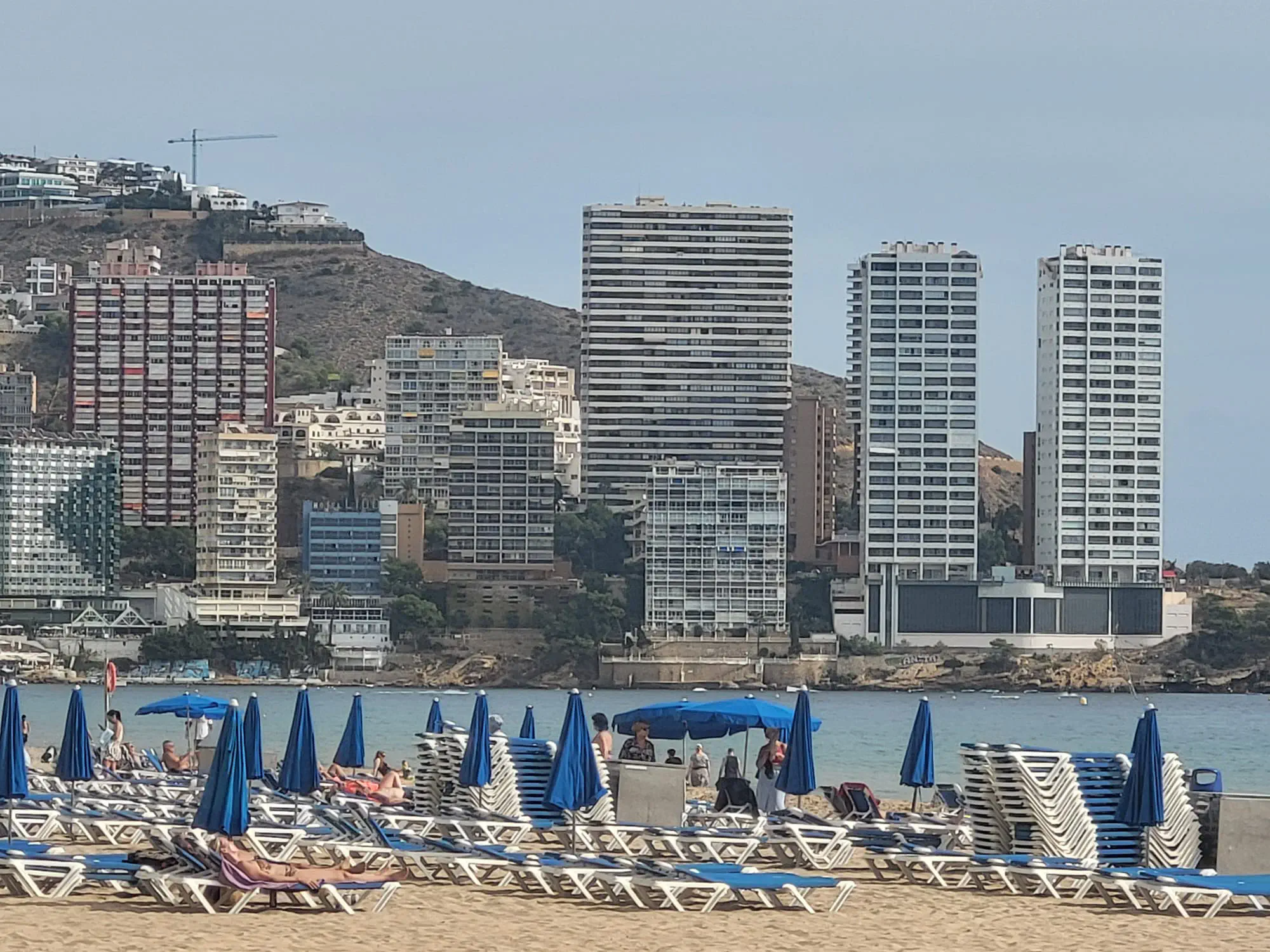
With that support in place, he turned to the shape of the town itself. In 1956 he pushed through a full urban plan, the first of its kind for a place so small. The idea was simple and bold. The land between the sea and the mountains was limited, so instead of spreading outwards and covering the beach with low buildings, the town would grow upwards. Tall blocks would leave room for open space, gardens, pools and light, while giving as many people as possible a view of the water. The first serious high-rises went up in the mid 1960s, with towers like Coblanca 1 completed around 1966. What followed was a rapid change. Hotels and apartment towers rose along the two beaches, and the quiet village became a dense city of concrete and glass.
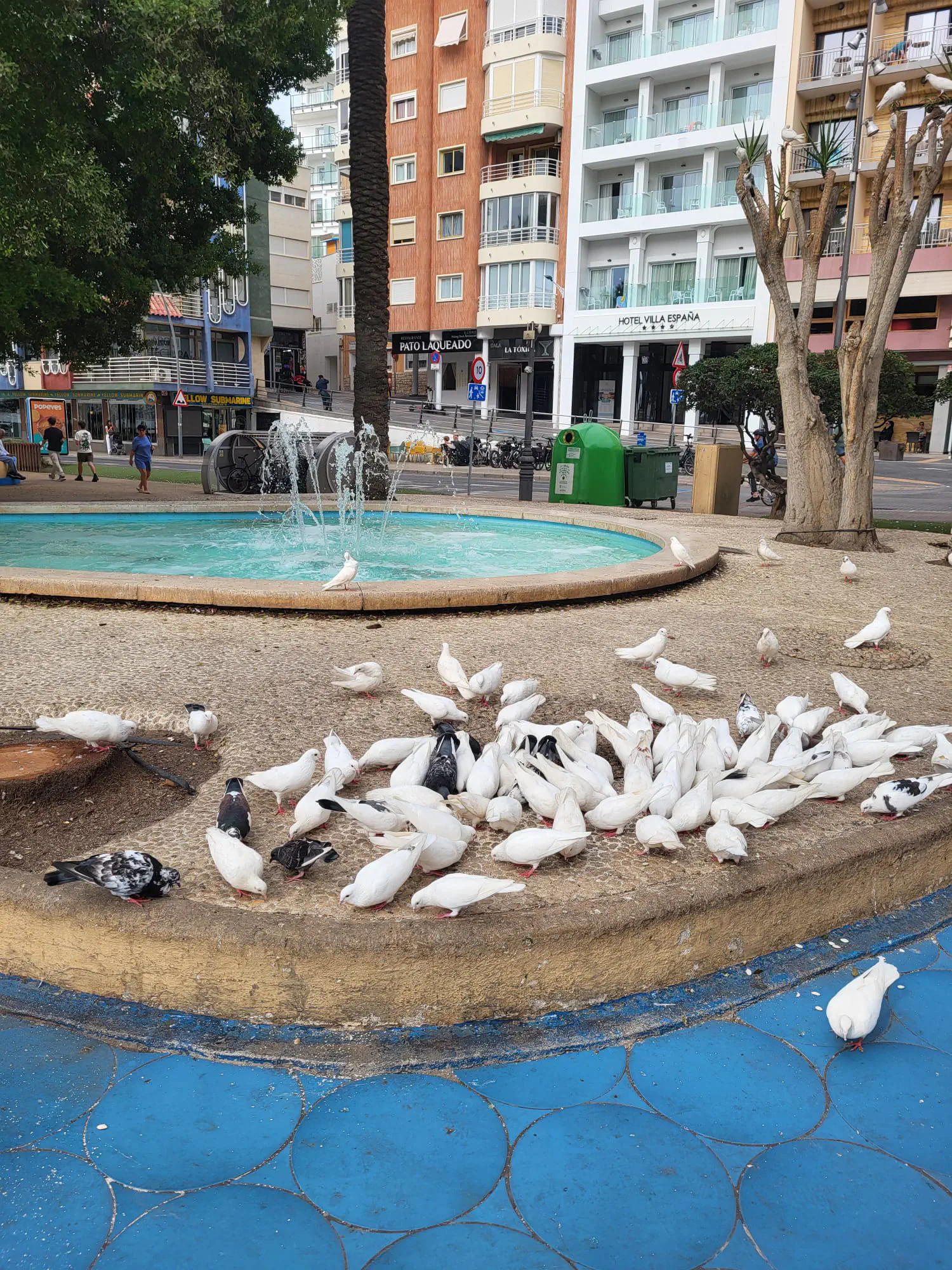
Today that skyline is unmistakable. Permanent residents number around 77,000, yet in summer the population can swell to well over 300,000, and on peak days it has reached around 360,000, as visitors arrive, the majority of them British. There are more than thirty buildings over a hundred metres tall, with more still going up, including projects that aim higher still. New areas continue the vertical pattern. The town has also recently introduced better tools to track how many people are actually present on any given day, so water, cleaning and other services can keep up with the numbers that come and go. The model that began with one mayor’s plan is still the one the place follows.
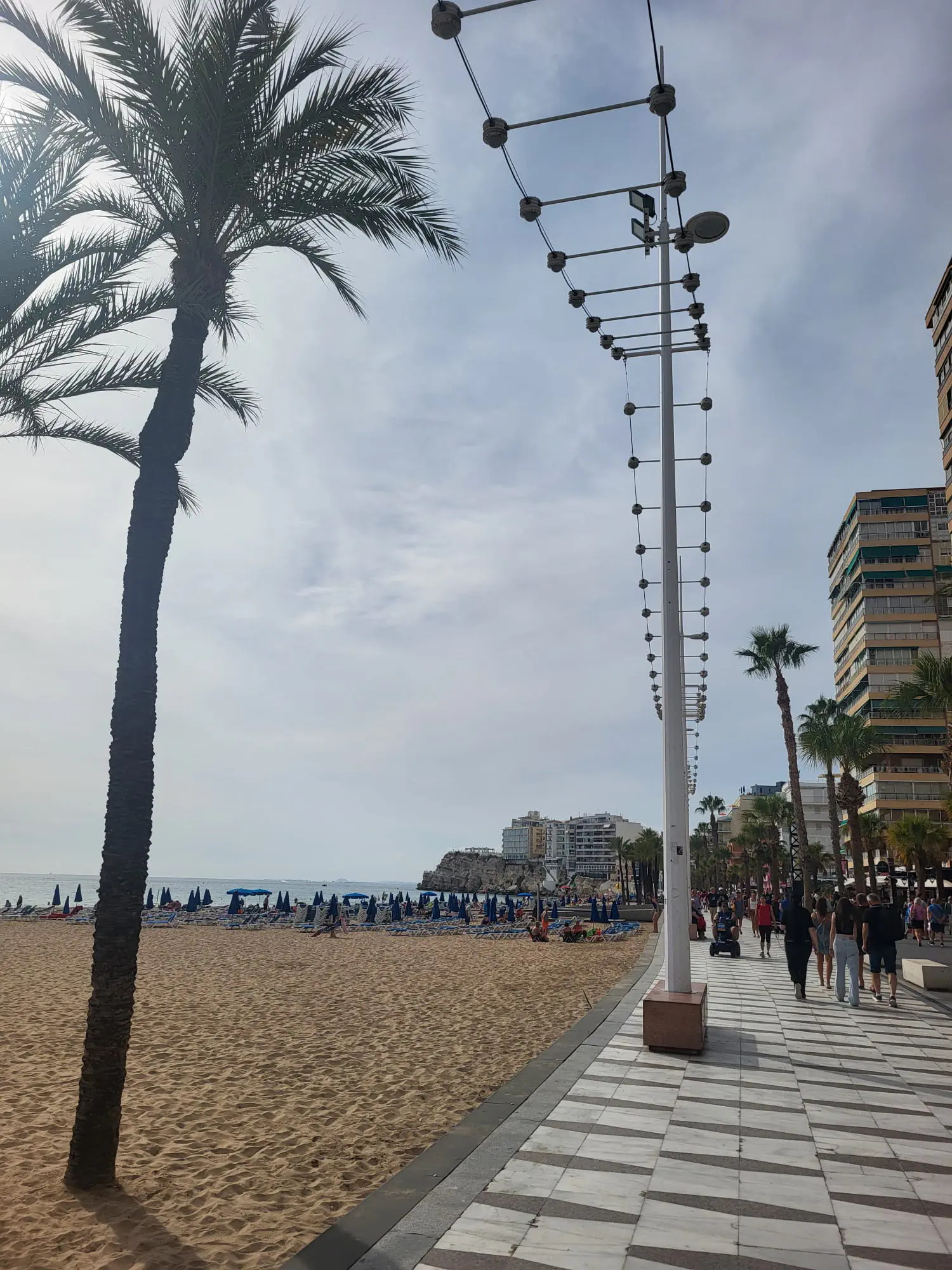
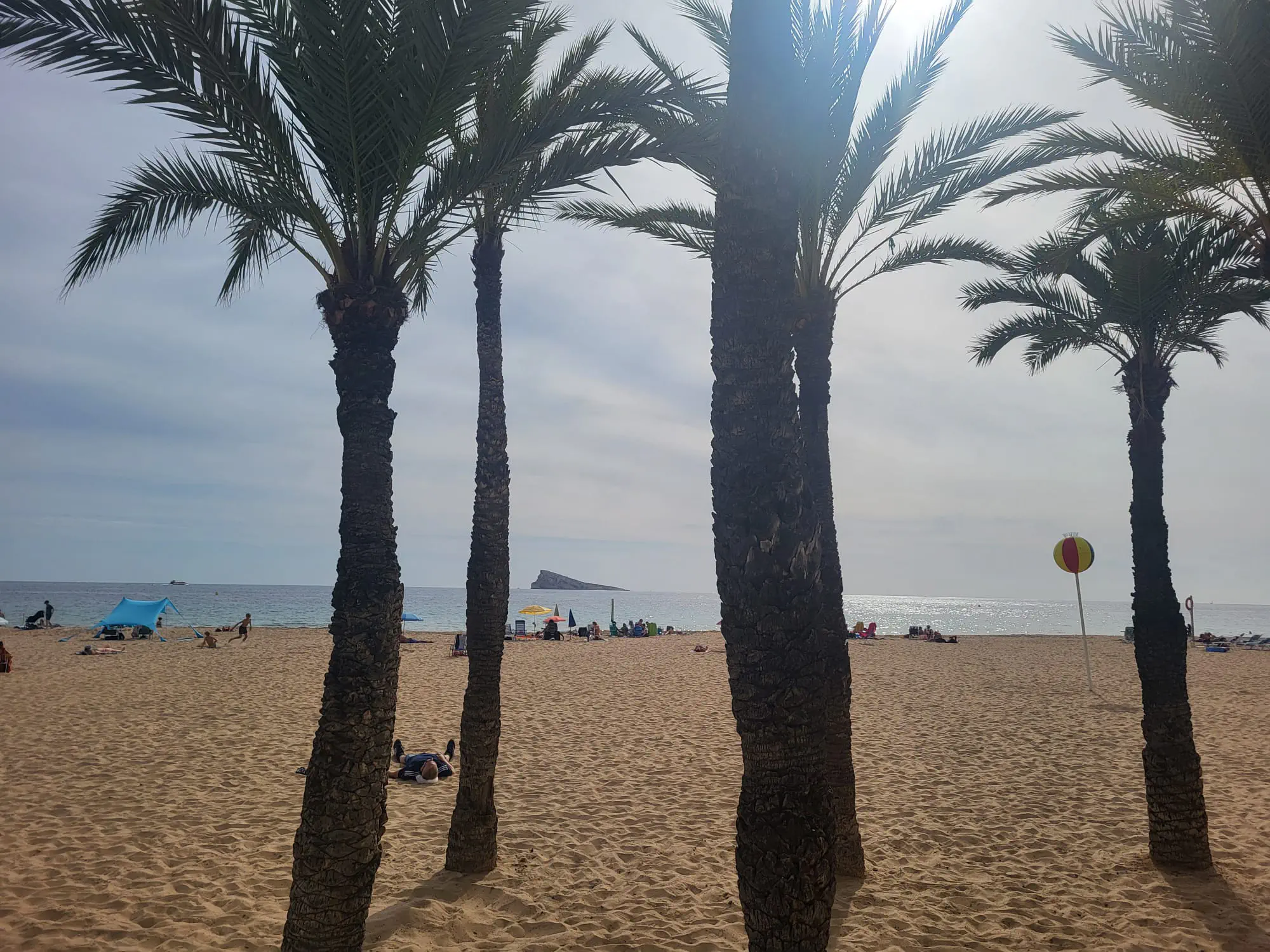
Sometimes Benidorm gets a lot of hate, and others love it; it’s like marmite, you might say. Plenty of people love the energy, the beaches, the nightlife and the sheer convenience of everything stacked high and close. Others prefer the quieter beaches and lower buildings we have further north. Either way, the place is a reminder of what one determined local could set in motion. A young mayor on a scooter, a conversation in Madrid, and a decision to build tall rather than wide. The result is still rising, still filling with people who come for the sun, and still changing the coastline in ways that would have been hard to picture from those old fishing nets.
Either way, the town stands as a massive reminder of what one determined local on a scooter set in motion all those years ago. The coast has shifted completely from those old fishing nets, and that famous skyline is still rising.But it leaves me wondering about what comes next for our vertical neighbour.What are your thoughts on Benidorm? Do you think its future lies with the classic English bars and tribute acts that made it famous, or do you see it shifting toward a more traditional, premium Spanish vibe in the future?
The terrace is open, and I would absolutely love to hear your take. Drop me a comment below and let’s chat!
Joanne xx
I’m Joanne from Sun Sea Sangria.com, the Terrace Crew’s weekly notes from the Costa Blanca North. Real life from Alicante up to Dénia: local events, practical bits, terrace weather, and the odd glass of sangria. No brochure.
If you want next week’s news straight to you, subscribe free here . Like or comment if something in the post was useful — it helps more people find the round-ups.
While you’re here:
Free guides from the terrace → sunseasangria.com/free-expat-resources Snoopy’s book, Paws & Mischief → Amazon UK or Amazon.com (Chapter 1 is still free on the site)
See you next week. The terrace is open if you need it.
Joanne xx Sun Sea Sangria
Comments
Loading comments...
Leave a comment