
The Steps They Built and the Ships That Took Them: La Vall de Laguar and the Last Moriscos
In 1609 thousands of Moriscos gathered in La Vall de Laguar before being forced onto ships at Dénia. The stone steps of the Barranc de l’Infern still stand — a quiet reminder of the people who built them and the ships that took them away.
Pull up a lounger. This one is not the usual chat about beaches or the next fiesta. It is about driving inland from Dénia or Jávea, into valleys most of us only notice when we are heading somewhere else, and a story that still sits under the surface of places we pass without a second thought.
I have lived around this stretch long enough to know the version of history that usually gets told. Moors and Christians festivals, the Peñón looking dramatic, a few pirate towers, the odd Civil War cross in a cemetery wall. What does not come up much is what happened in 1609, when Philip III ordered the expulsion of the Moriscos. These were people whose families had been Muslim, then forced to convert decades earlier, and who were still farming the mountains and valleys of the Marina Alta in large numbers. In some of those inland places they made up most of the population. When the decree went out they did not all pack up and leave quietly.
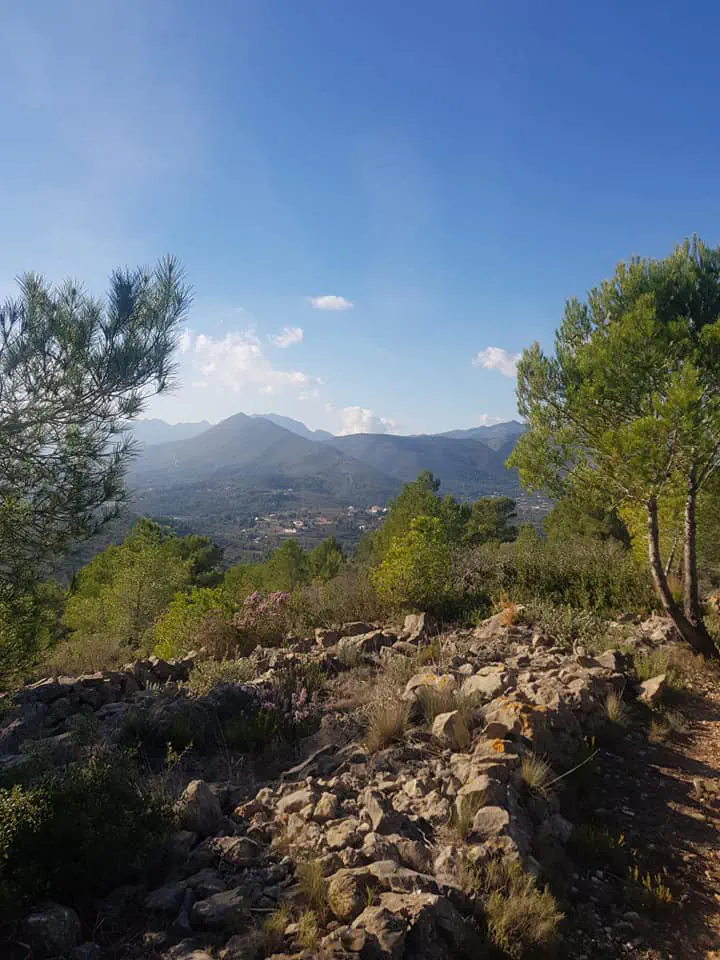
A lot of them headed for La Vall de Laguar. Families and whole communities from Gallinera, Ebo, around Altea, Guadalest and the neighbouring valleys gathered there. One contemporary account puts the number near 23,000. They took the castle of les Atzavares and held out in the rough country above the little villages of Benimaurell, Fleix and Campell. The royal army eventually cornered them higher up on the Serra del Cavall Verd. They lasted eight days without reliable food or water. Then they came down. Those who survived the fighting were marched down to the port at Dénia, some went to Xàbia, and put on ships bound for Orán. There is a painting by Jerónimo Espinosa, done not long afterwards, that shows the rebellion in those mountains. There is another one by Vicent Mestre of the actual embarkation at Dénia. Neither of them looks like the sort of picture you would stick on a postcard.
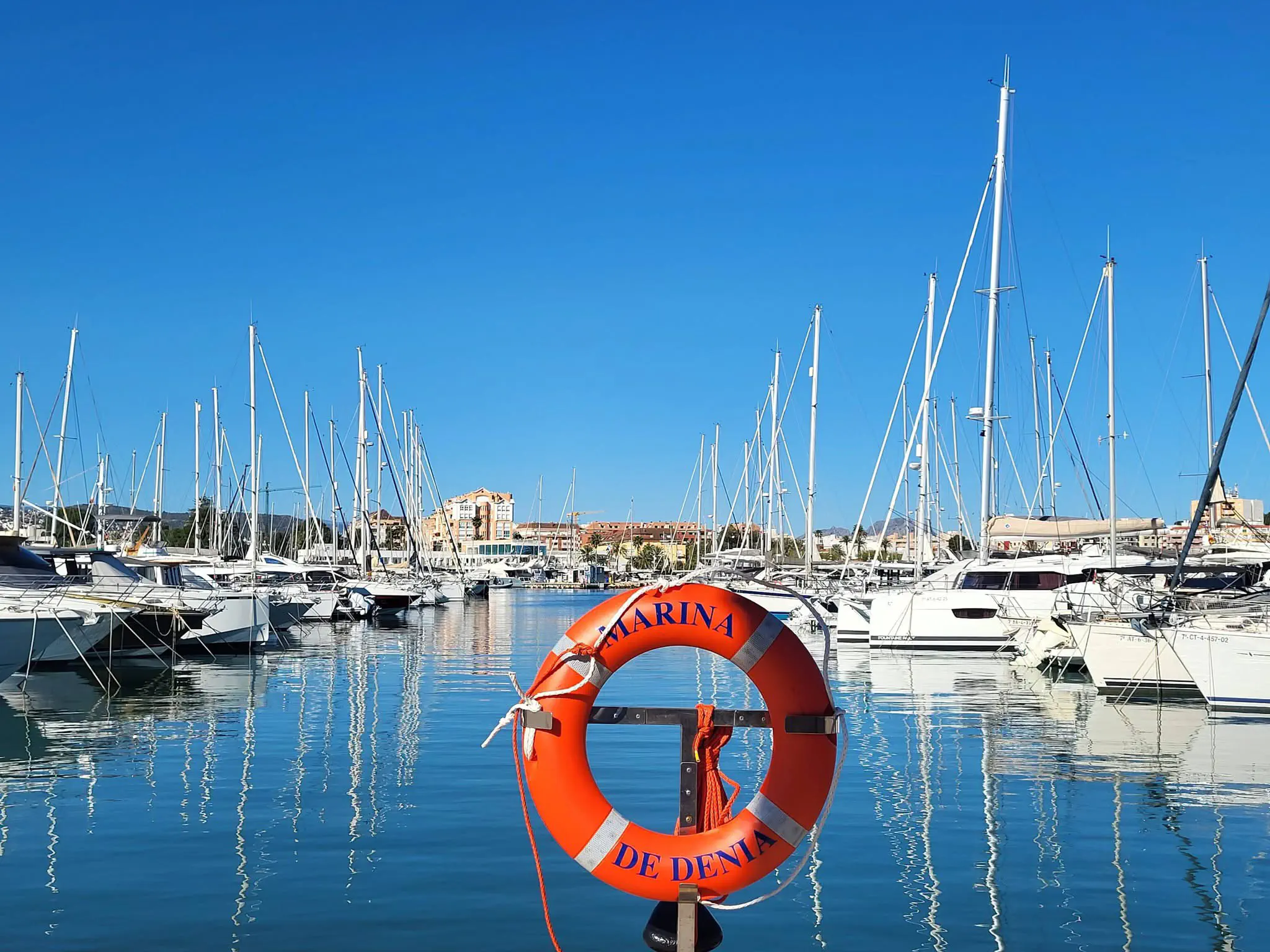
Dénia was not just any port in this story. The Duke of Lerma, Philip III’s right hand man, was also the Marquis of Dénia, and the place became the main exit point for the whole central district of the expulsion. Between October and December 1609 something like 42,000 to 47,000 people left from that harbour. The first ships went out in early October. The ones carrying the rebels from Laguar went later, in December. Along the way there were the usual grim details, people stripped of belongings, children taken, violence on the roads. Once they reached North Africa many were robbed or worse by locals who did not want them either. The Kingdom of Valencia lost roughly a third of its population almost overnight.
After the valleys emptied, the land was repopulated in 1611 with families from Mallorca. A few of the surnames you still hear in the inland villages go back to that charter. The farmhouses the Moriscos left behind turned into the deserted alquerías you can still find traces of if you poke around, places like Atzubieta in the Vall d’Alcalà. The land they had been given after the earlier Christian conquest had always been the steeper, less kind bits, which is why you still find the dry stone terraces and those endless flights of steps in the Barranc de l’Infern.
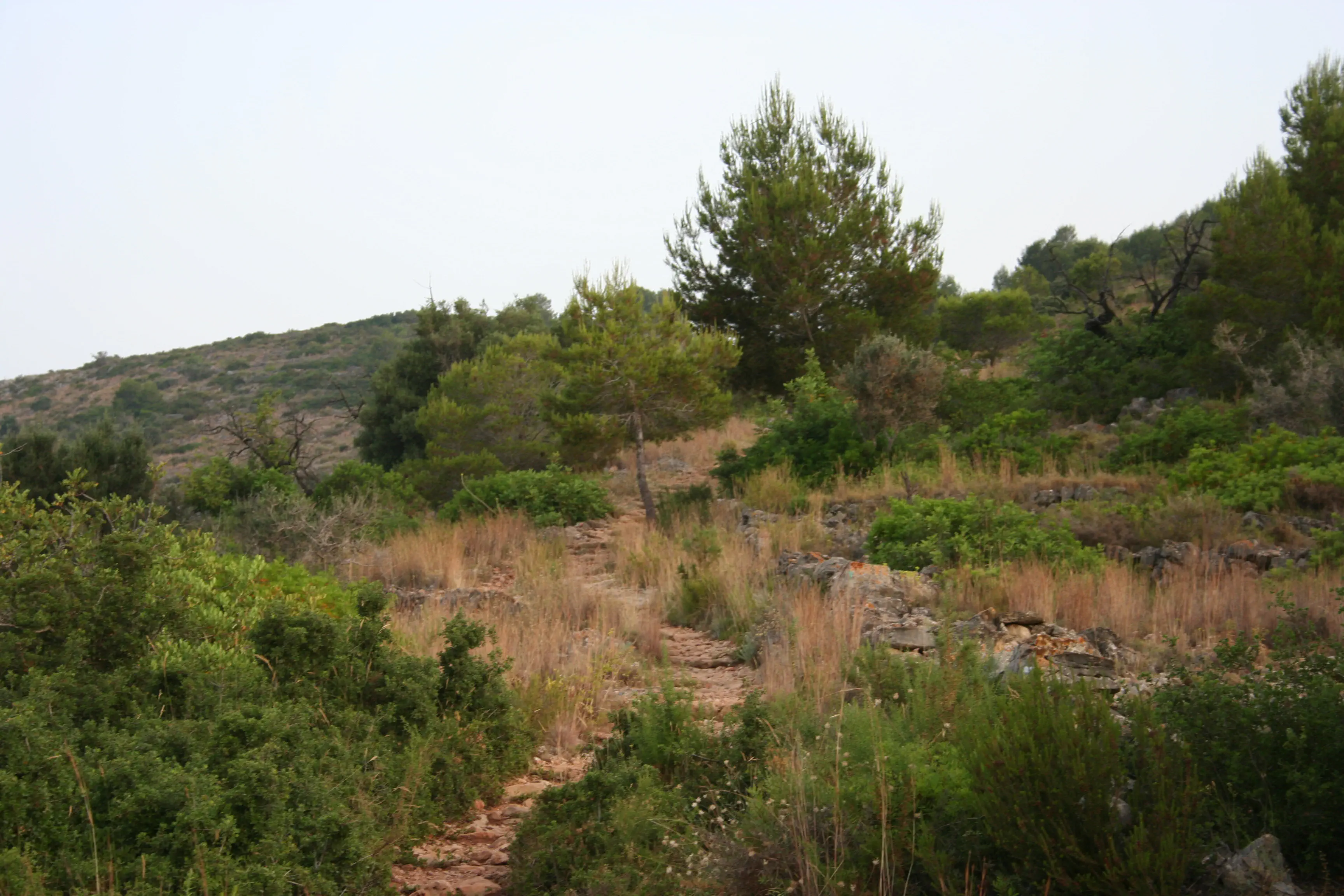
You have probably seen photos of the Cathedral of Hiking route, the PR-CV 147. Thousands of stone steps zigzagging down into the ravine and back up the other side, people say over 6,000, some count closer to 6,800. Local stories say the Moriscos cut them so they could reach the fields on the far side without going the long way round the barranco. Whether every single step dates from exactly that period or not, the path has been used by people working that land for centuries. Walking it now, with the river way below and the walls of the barranco rising on either side, it is easy enough to picture the traffic of mules and farmers that used to be there. Harder to picture the last weeks of 1609, when the same ridges became a place people went to hide.
https://hiiker.app/hikes/spain/la-vall-de-laguar/the-cathedral-of-hiking-pr-cv-147
Al-Azraq sits behind a lot of this. He was the blue eyed Muslim lord from the Vall d’Alcalà who spent decades in the thirteenth century holding the high valleys against Jaime I. In 1245 he and the king signed the Pact of the Pouet, trying to sort out which castles stayed with whom. Al-Azraq kept Alcalà and Perputxent for a while, and handed over others. He led three uprisings. In one week in 1258 he took sixteen castles and defeated a Christian force of about 3,000. He died in 1276 during an assault on Alcoy. The later Morisco rebellion in Laguar feels like an echo of that earlier resistance, different century, same difficult country, same refusal to just hand it over. 2026 has even been marked locally as the Year of Al-Azraq, with events in the valleys.
None of this is secret if you go looking in the right places, but it is not the story that gets told when people talk about the history of the Costa Blanca. It is quieter. The villages are still small. The steps are still there. The port at Dénia, which most of us know for summer ferries and the odd cruise ship, was once the place where tens of thousands left for good.
If you fancy the walk, the Barranc de l’Infern circuit is a good walk, circular, plenty of elevation, and those steps will make their presence felt in your legs by the end. Cooler months are kinder. The villages themselves are worth a slow look any time, they are not set up for crowds. Cherry blossom season in nearby Gallinera pulls more people, but outside that it is quiet enough that you can still hear the place. And if you stand in Fleix or Campell and look up at the ridges, it is not hard to understand why someone might have thought they could hold out there.
I keep coming back to the idea of the steps. Someone cut every one of them so the land could still be used. Then, a few generations later, the people who used them were gone. The steps stayed. Next time you are driving the inland roads and see the turn for Laguar, it might be worth taking it.
Have you taken this walk, if so please let me know in the comments, its one for my winter walk list.
Thank you for reading,
Joanne xx
I’m Joanne from Sun Sea Sangria — the Terrace Crew’s notes from the Costa Blanca North. Real life from Alicante up to Dénia: local spots, practical bits, and the older stories that sit under the sangria. No brochure.
If you want the next one straight to you, subscribe free here .
Like or comment if this was useful — it helps more people find the round-ups.
While you’re here:
- Free guides from the terrace → sunseasangria.com/free-expat-resources
- Snoopy’s book, Paws & Mischief → Amazon UK or Amazon.com
See you next time. The terrace is open if you need it.
Joanne xx
Sun Sea Sangria
Comments
Loading comments...
Leave a comment