
The Night a Spanish Holiday Hotspot Completely Vanished - Calpe
Calpe’s lesser-told story: 2–3 August 1637, corsairs over the walls, about 300 taken to Algiers, and why locals still say something “costs more than the taking of Calpe
The Night They Emptied Calpe
Hola Terrace Crew ☀️🍷
Pull up a lounger. If you know Calpe’s pirate story, you probably know 22 October 1744 — boats on Arenal-Bol, the Desembarco, Moors and Christians, the festival that just got national tourist-interest status.
That is not this story.
This one is quieter, crueller, and it still sits in a Valencian saying most visitors never hear.
2–3 August 1637
Seven Algerian galleys and galeotas had already been seen off Formentera (Ibiza) on 31 July. Weather held them. A warning was meant to reach Dénia and wake the coast. It did not arrive in time, or it was not acted on in time. Either way, the ships were on Calpe’s sand in the night of the 2nd.
Before dawn on the 3rd, men came over the walls with ladders, opened the gates from inside, and the rest poured through.
There were not many defenders left in the citadel. A lot of the men were out on the heredades, sleeping by the fields so they could work at first light. What was left inside was mostly women, children, and a handful of neighbours. Contemporary reports put that handful at about two dozen. They fought. One letter from the viceroy to Felipe IV, sent on 11 August, says they killed around thirty of the attackers and wounded more. It was not enough.
People ran for the tower. That is where most of them were taken.
The number
First count from the night: 296. It was later raised to 302. Calpe’s own town history now often says about 315. The point is the same. For a small walled village in 1637, that was the town.
Help came from Benissa, Xàbia and Teulada-Moraira. Too late. The ships were already gone. The captives went on the flagship toward Algiers. The other hulls peeled off up the coast.
When the men who had been in the fields walked home, one account says about sixty-five people, they found an empty place. Clothes on their backs. Families at sea.
Who led it
The name that sits on the raid is Alí Bitchín (born Piccini, an Italian who had taken Islam and become one of the most powerful men in Algiers). 1637 was a big year for him. Calpe was not a random splash; it was a planned lift of people for ransom and labour.
The saying
Historian Abel Soler, working in the Archive of the Crown of Aragon, is the person who pinned the local phrase to this night:
*costar més que la presa de Calp - to cost more than the taking of Calpe.*
Getting people back took years and a fortune: gold, haggling, prisoner exchanges. Calpe’s municipal history talks of about five years in Algiers before many came home. Some never did. Forty years later the town was still asking the crown for tax relief and money to mend the walls.
That is why the sentence survived. It means: this bill is ridiculous. It also means: we remember what a night on this coast used to cost.
Not the festival
1744 is the last big documented landing, hundreds ashore, a fight until late afternoon, neighbours arriving in time, one young defender killed reaching for his mother as she was dragged. That is the pageant.
1637 is the hole in the street. No boats to cheer. A village that woke up missing.
If you walk it
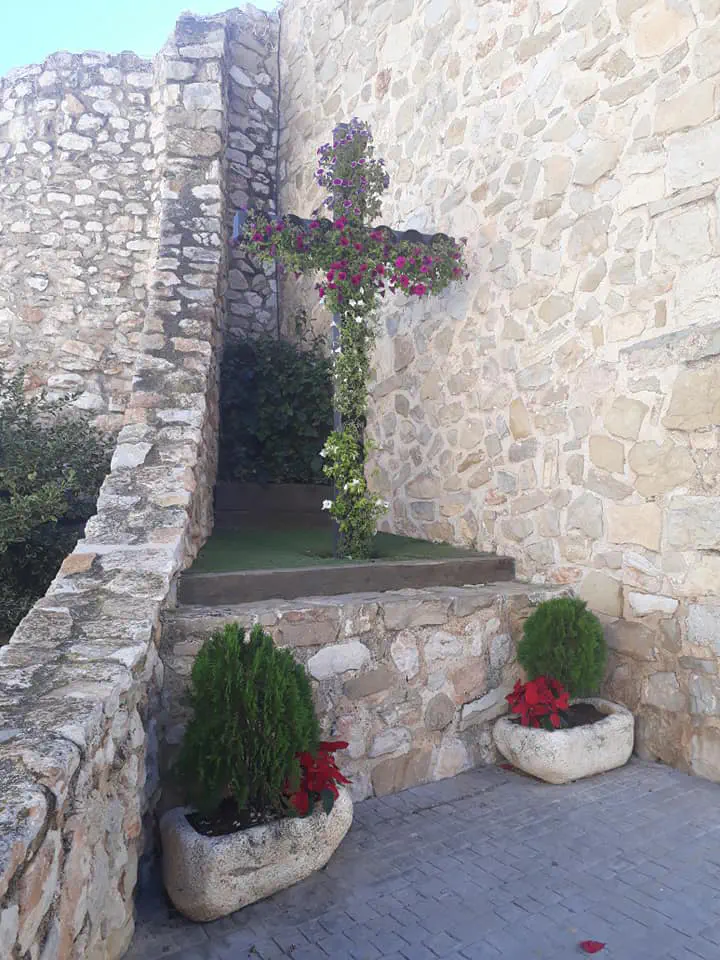
Stand by the Torreó de la Peça. The old citadel was smaller than the Calpe you walk in now. The second belt of walls after 1744 wrapped the suburbs; a lot of that later came down for streets. The raid you are standing in is the earlier, tighter town, the one that could be emptied in a night.
If your family still uses la presa de Calp when the builder’s quote arrives, tell me. That is the history that did not need a tourist office.
Joanne xx
Sun Sea Sangria
Don’t forget the Friday Terrace Newsletter — free, every Friday. Pull up a lounger and subscribe at sunseasangria.com.
Comments
Loading comments...
Leave a comment