
Living in Costa Blanca North: What It’s Really Like in Dénia, Jávea, Calpe, Benissa & Beyond
An honest expat guide to daily life on Spain’s most beautiful (and underrated) stretch of coast
Hola from the Sun Sea Sangria terrace. ☀️
When most people search for “moving to Spain,” they picture Benidorm or Alicante. But after years living on the Costa Blanca North, I can tell you: this region is a completely different — and far better — experience.
No towering hotels or endless party crowds. Instead, you get dramatic mountains plunging into the sea, authentic Spanish towns, and a lifestyle that actually feels sustainable (even in summer).
Here’s the no-filter guide to what it’s really like living in Dénia, Jávea (Xàbia), Calpe, Benissa, plus the charming inland villages.
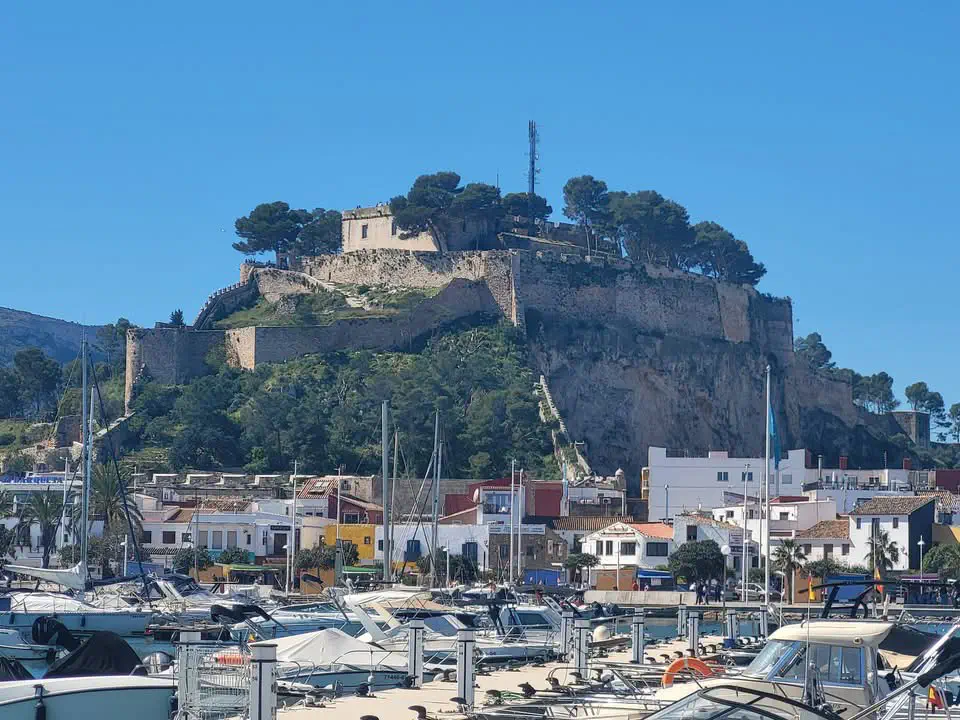
Dénia: The Food Capital with Soul
Dénia is the vibrant gateway to the north. It boasts a working fishing port, a beautiful marina, and a historic castle overlooking the town.
What I love:
- The food scene is incredible — fresh seafood, tapas bars, and the famous arroz a banda. Don’t miss Els Magazinos for stylish street-food vibes.
- Bigger than most towns here, so you get excellent supermarkets, cafés, and all daily amenities.
- The ferry to Ibiza and the Balearics — perfect for weekend getaways.
- Relaxed marina walks with sea views.
Reality check: It gets busy in summer, but locals still dominate. Winters are peaceful and wonderfully mild.
If you love great food and want town energy with easy beach access, Dénia is hard to beat.
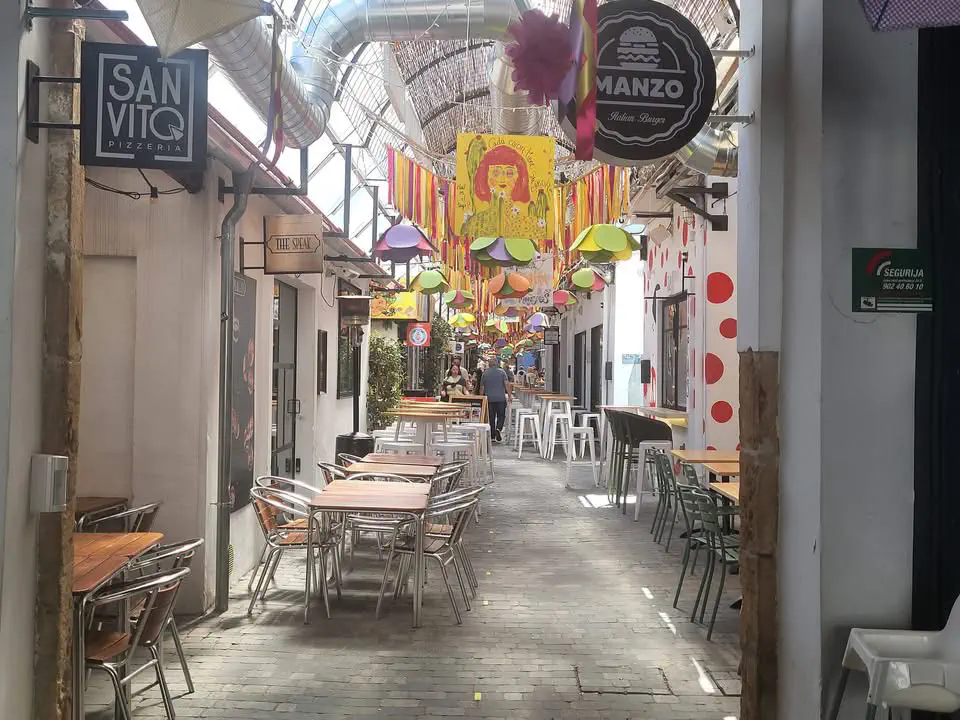
Jávea (Xàbia): The Mediterranean Dream
This is the town that steals hearts.
Jávea has three distinct personalities: the historic old town, the working fishing port, and the lively Arenal beach. In peak summer, the beach and port get busy, which is exactly when I recommend heading up to the old town.
Wander the narrow, winding streets lined with centuries-old buildings and the iconic church. You’ll discover beautiful hidden restaurants and intimate squares where locals and expats linger over long lunches. It feels like stepping back in time, yet it’s full of life.
Highlights:
- Some of the most beautiful coves and beaches on the entire Costa Blanca (Playa de la Granadella is world-class).
- Epic hiking trails with jaw-dropping views — the route to Cap de la Nau is a must. For more adventure, explore the Montgó.
- A strong but laid-back international community. You’ll hear English, German, Dutch, and Spanish in the same café.
Daily life note: Everything closes for siesta (yes, even in 2026). Embrace it — you’ll thank me during those long, wine-filled lunches.
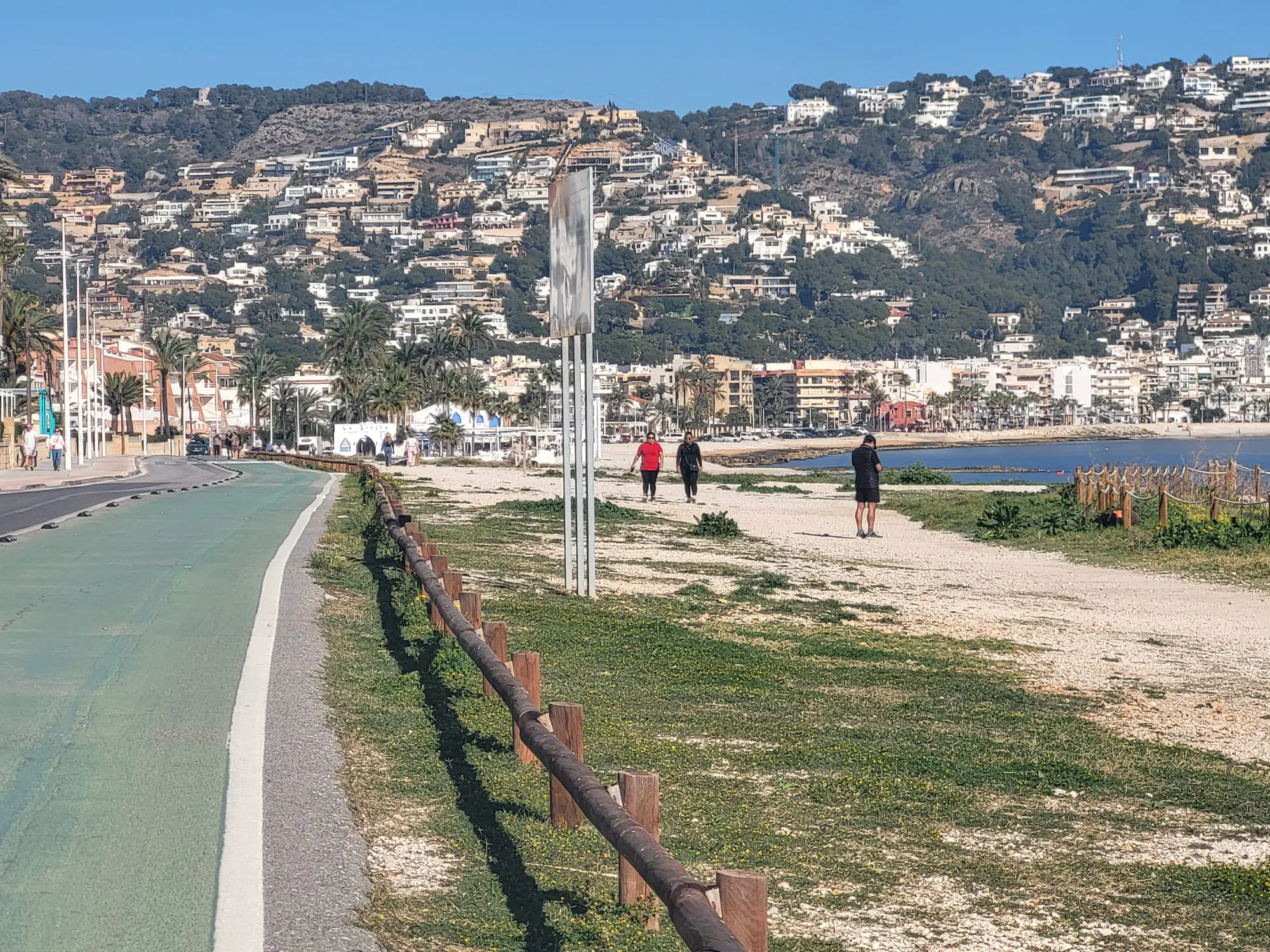
Calpe: Where the Rock Steals the Show
You can’t miss the Peñón de Ifach — that dramatic limestone rock that defines the town. Calpe perfectly balances raw nature and everyday convenience.
The town has three distinct vibes: the charming old town, the bustling Arenal-Bol area, and the long sandy stretch of La Fossa beach. Each offers its own cafés and views. Tucked between them is the saltwater lake with flamingos — a lovely walk for birdwatchers.
What stands out:
- Incredible hiking right from the centre (climbing the Peñón for 360° views is unforgettable).
- A working fishing port with some of the best seafood restaurants on the coast.
- A great mix of modern apartments and traditional old-town houses — ideal for renters and buyers alike.
Pro tip: Go for sunrise or sunset walks along the promenade or around the base of the rock. You’ll enjoy stunning sea views and plenty of seagull companions. It never gets old.
Benissa: Quiet Charm Between Mountains and Sea
Tucked between Calpe and Moraira, Benissa often flies under the radar — and that’s exactly why residents love it.
Highlights:
- A beautiful historic old town with the famous church steeples and excellent viewpoints over the Mediterranean.
- More affordable property options and a strong local community feel.
Benissa delivers peaceful residential living with everything just 10–15 minutes away. Perfect for families or anyone seeking a low-key base.
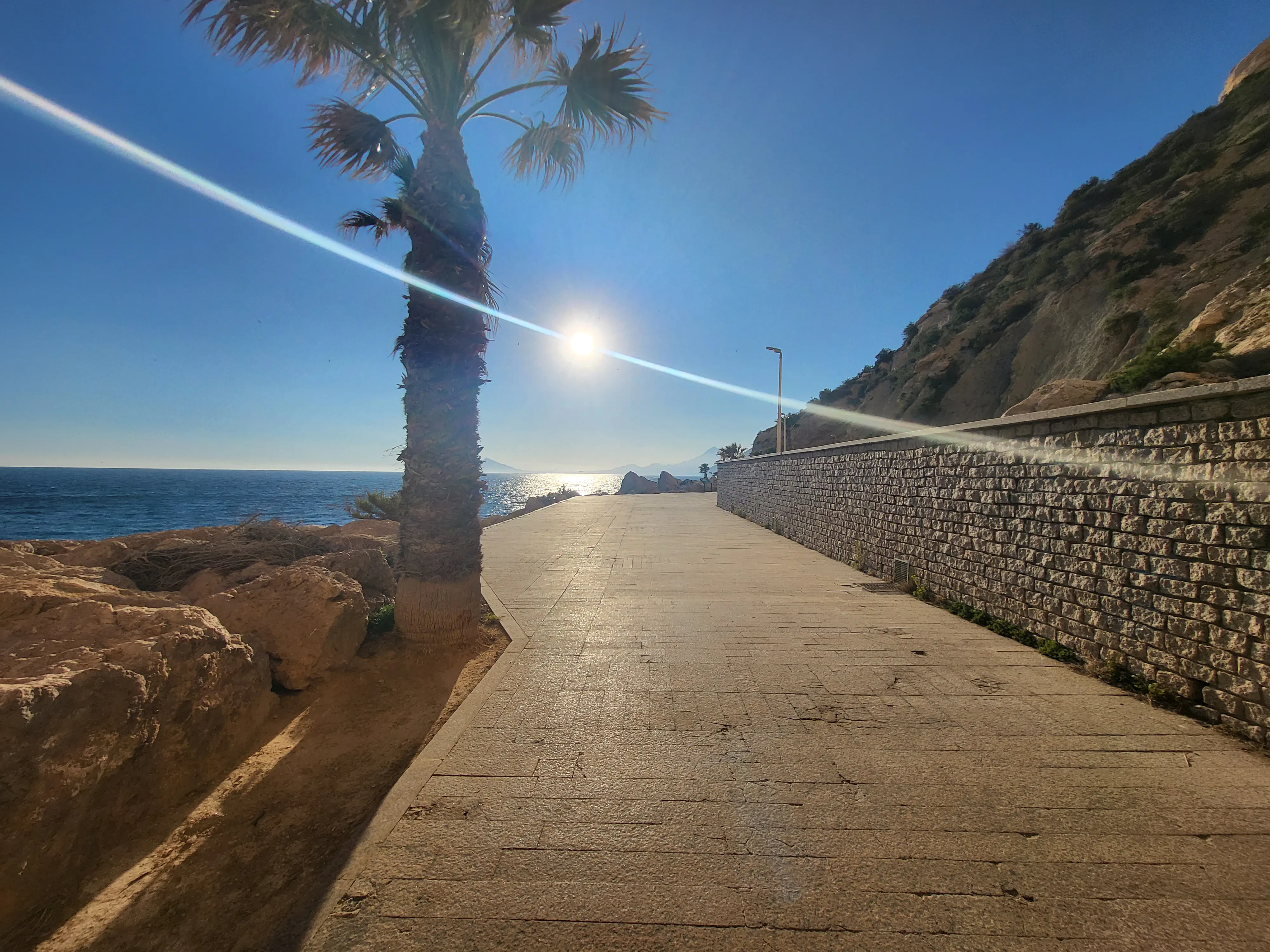
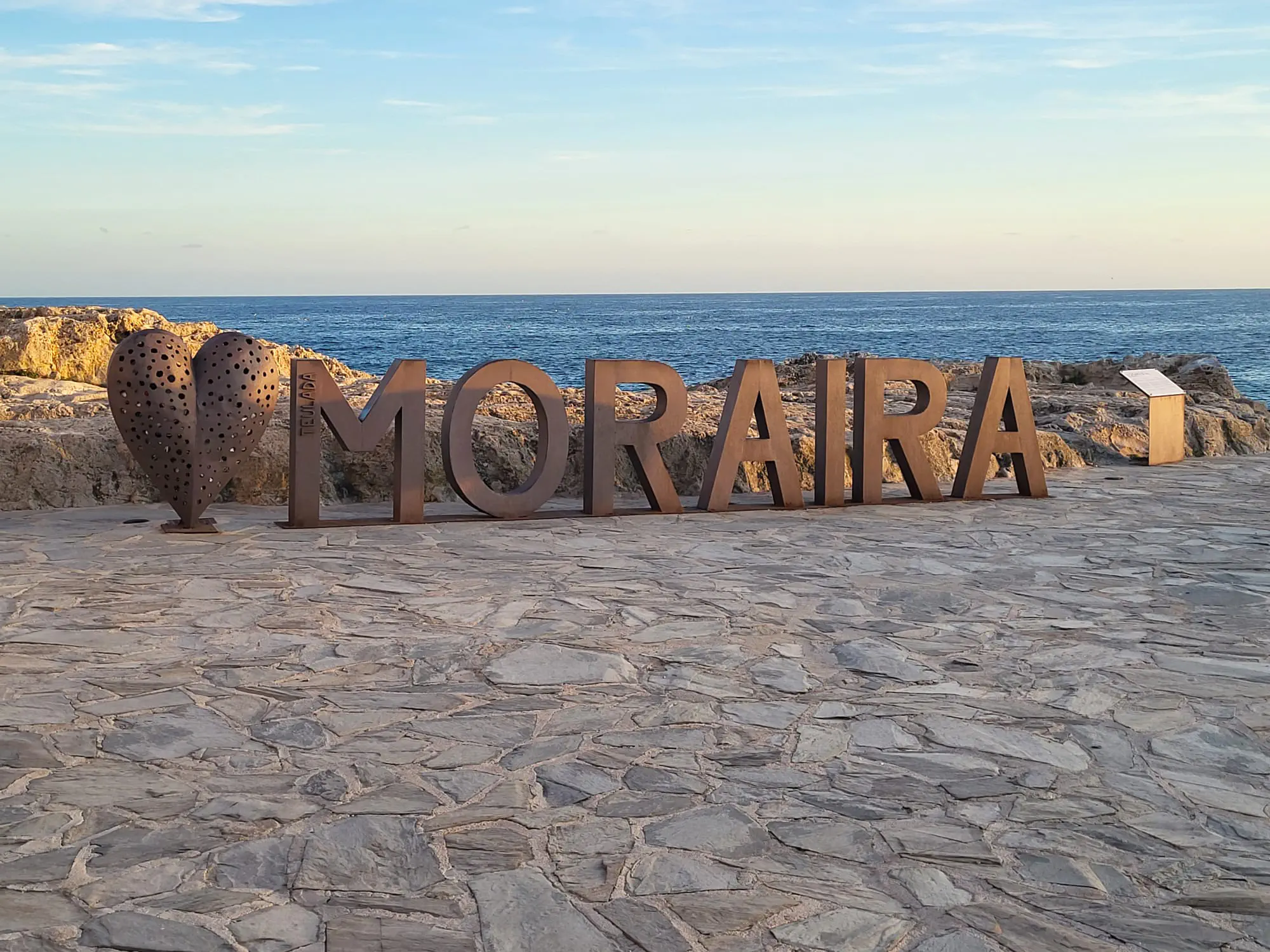
Moraira: Elegant Coastal Living
Often called one of the prettiest spots on the north coast, Moraira offers a more upscale yet relaxed vibe. With its stunning natural harbour, crystal-clear waters, and beautiful beaches, it feels like a Mediterranean postcard come to life.
What makes Moraira special:
- A picturesque old town with white-washed buildings, boutique shops, and excellent restaurants serving fresh seafood and international cuisine.
- The harbour is a focal point — watch the yachts while enjoying a drink at one of the cafés.
- Beautiful beaches and coves nearby (Playa del Portet is a local favourite for its calm waters and scenic setting).
- A sophisticated but unpretentious atmosphere that attracts a mix of locals, long-term expats, and discerning visitors.
Moraira strikes a lovely balance: upscale enough for great amenities and dining, but still relaxed and community-oriented. It’s especially popular with families and those looking for a refined coastal lifestyle without the intensity of larger resorts.
The Inland Towns: Mountain Villages That Feel Like Another World
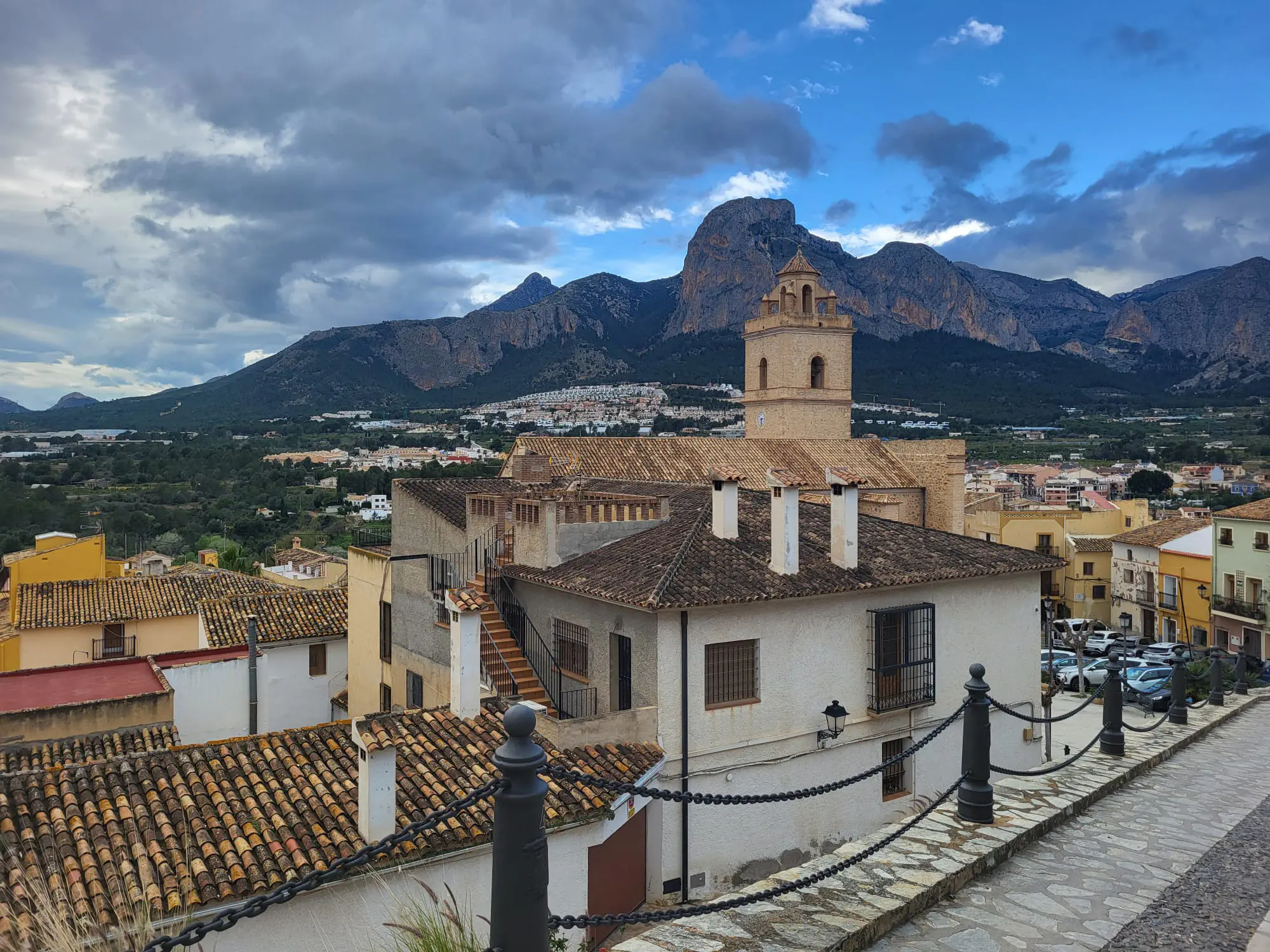
Just a short drive into the hills and everything changes.
Jalón (Xaló) — Famous for its wine production, cherry festivals, and beautiful valley setting. Stroll almond groves, visit local bodegas for tastings, and enjoy the peaceful village life with a strong expat community.
Guadalest — The dramatic hilltop village with a castle, tiny museums, and breathtaking views. Cool in summer, magical in autumn.
Polop (and similar villages) — Traditional Spanish life with fountains, cobbled streets, and weekly markets. Much quieter and more affordable than the coast.
Why inland matters:
- Cooler summers and fresh mountain air.
- Excellent hiking, olive groves, cherry orchards, and local festivals.
- Lower cost of living and an even stronger sense of community.
- The perfect contrast to beach days — many people happily split time between coast and mountains.
The Realities of Living Here (The Good, the Bad, and the Siesta)
The good:
- Excellent and affordable healthcare.
- Reasonable cost of living (especially compared to Barcelona or Madrid).
- Four distinct seasons, with winters that are mild and sunny.
- Easier integration into Spanish life than in some southern hotspots.
The challenges:
- Public transport is limited — a car is almost essential.
- Services slow down in August and during siesta (2–5 pm).
- Summers are busy on the coast, but nothing like Benidorm levels.
- Bureaucracy is real (but that’s Spain everywhere).
The biggest surprise? How quickly this place starts to feel like home. The mountains, the sea, the rhythm of life — it just works.
Who Is Costa Blanca North Perfect For?
- Families want safety, good schools, and nature.
- Retirees seeking an active yet relaxed lifestyle.
- Remote workers who value reliable internet and inspiration outside the window.
- Foodies, hikers, and anyone tired of mass tourism.
It’s not ideal if you want non-stop nightlife or a fully English-speaking bubble.
Ready to make the move to Costa Blanca North?
Have you lived in (or visited) any of these towns? Drop your thoughts in the comments — which one calls to you most, and why?
¡Salud!
Joanne
🌊 Sun Sea Sangria ☀️🍹
Cheeky Northern Costa Blanca real life — hidden beaches, pet hacks, fiestas & local news.
New blog Mondays + free Friday newsletter.
Join the terrace crew 👇
Comments
Loading comments...
Leave a comment