
Why Spain Still Loves the Siesta (And Why I Finally Stopped Fighting It)
The Mid-Afternoon Philosophy That Changed My Costa Blanca Life ☀️💤
Sun Sea Siesta
You know that moment. It’s 2:15 pm. The sun is beating down like it has a personal grudge, your belly is full of paella or arroz a banda, and suddenly your eyelids feel like they weigh a kilo each.
Welcome to siesta hour on the Northern Costa Blanca.
For the first couple of years here, I fought it like a proper Brit. “Why is everything shut? I’ve got things to do!” I’d mutter, pacing outside a closed bakery in Dénia or Javea while the locals sensibly disappeared.
Then one gloriously hot summer day, I gave in. I closed the laptop, drew the blinds, and let myself have a proper rest. And honestly? It felt like the coast gave me a little wink and said, “Finally, welcome to the club.”
So let’s talk about why the siesta exists, what it really means in Spanish culture, and whether this lovely slow-life habit is going to survive our hyper-connected, always-on world.
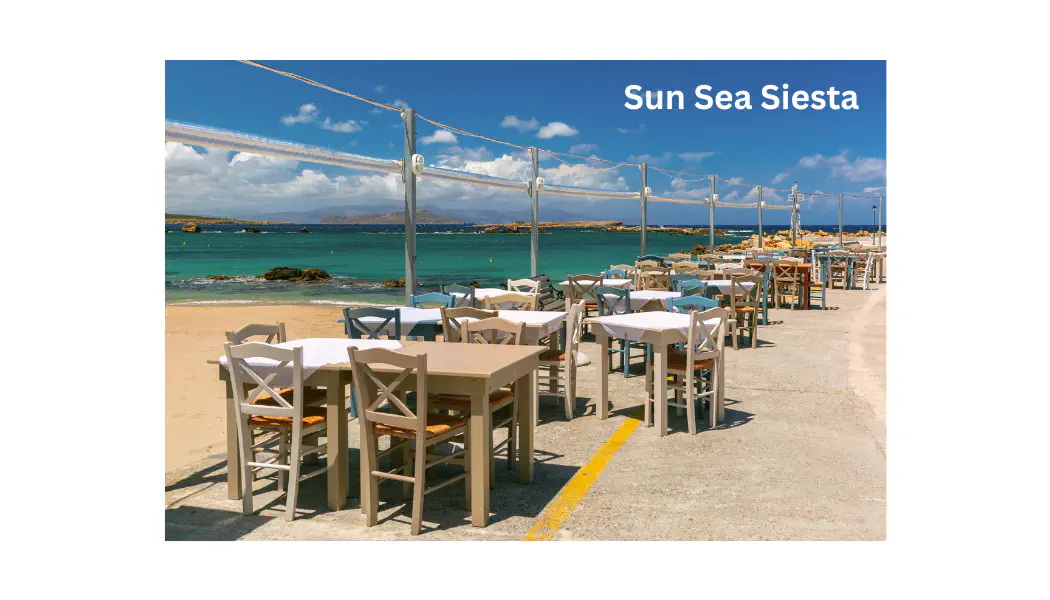
Where the Siesta Actually Comes From
The word “siesta” comes from the old Latin sexta hora — literally the sixth hour after sunrise. Back in Roman times, that was around midday, when the sun was at its fiercest. Smart Romans decided it was wiser to rest than to melt.
Fast-forward to Spain: in a country where summer temperatures regularly flirt with 35–40°C (especially inland from the Costa Blanca), working flat-out in the blazing afternoon sun is just silly. Farmers and agricultural workers would start at dawn, knock off for a big lunch and a rest during the hottest hours, then head back out when things cooled down in the late afternoon.
After the Civil War, the habit got another boost. Many people juggled two jobs to make ends meet. The long midday break let them eat properly, rest, and then commute to their evening shift. It wasn’t laziness — it was survival with a side of common sense.
Here on the northern coast (think Javea, Dénia, Calpe, Benissa), the tradition is still alive, especially in smaller family businesses and during the proper summer months. Shops might pull down the metal shutters between 2 and 5 pm. Offices slow down. And yes, some locals still sneak in a proper 20–40 minute nap.
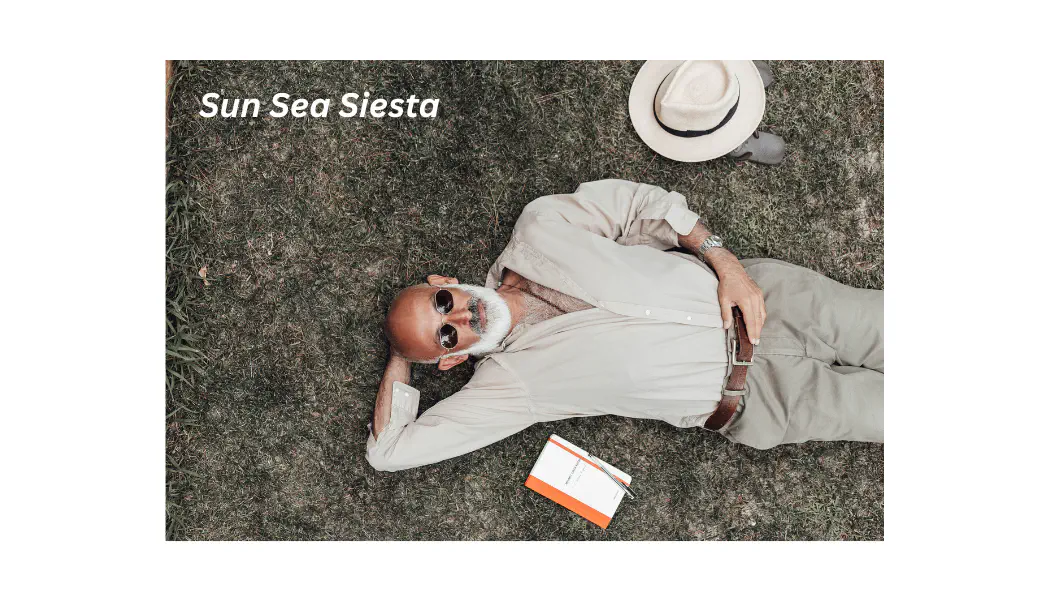
It’s Not (Just) About Sleeping
Here’s the cheeky truth most tourists miss: the siesta isn’t always about actual sleeping. For many Spaniards, it’s more about a philosophy of pacing yourself.
It’s the time to:
Eat the biggest meal of the day with family or friends (because lunch is sacred) Escape the heat instead of pretending you’re a superhero Recharge so you can actually enjoy the long, beautiful evenings that Spain does so well — dinner at 9 pm, a paseo along the marina, or that golden-hour sangria on the terrace.
It’s the opposite of the “hustle harder, sleep when you’re dead” mindset I grew up with. And after living here for years, I’ve come to see it as quietly brilliant.
That post-lunch drowsiness? It’s real biology — blood rushes to your stomach for digestion, and your body temperature dips naturally in the early afternoon. Fighting it with another coffee just leaves you wired and grumpy. Giving in? You wake up sharper, happier, and ready for round two.
Will the Siesta Ever Die in Our “New World”?
Here’s the honest expat take: the classic three-hour shop shutdown is fading in big cities and tourist-heavy spots. Globalisation, international clients in different time zones, and the rise of office jobs mean many younger Spaniards and big companies now prefer a shorter lunch break (60–90 minutes) and a straight-through workday.
Productivity debates pop up every few years. Some politicians and business types want Spain to “modernise” and align more with northern Europe. There’s even talk of shorter overall workweeks (Spain has been experimenting with moving toward 37.5 hours).
But here’s what I’ve noticed living on the Costa Blanca: the spirit of the siesta is stubbornly refusing to disappear.
In smaller towns and villages around Montgó, in family-run bars, or on a quiet terrace in Cumbre del Sol, the idea of slowing down in the middle of the day still makes perfect sense. Especially when the sun is high, and the sea is sparkling.
Even in more modern setups, you’ll see people taking a proper long lunch, going for a walk, or quietly recharging instead of doom-scrolling at their desk. And let’s be real — with remote work and flexible hours growing, more of us can actually choose the siesta life again.
I don’t think it will ever fully stop. Because at its heart, the siesta isn’t about being lazy. It’s about refusing to let work own every single hour of daylight. It’s about remembering that life tastes better when you’re not constantly rushing.
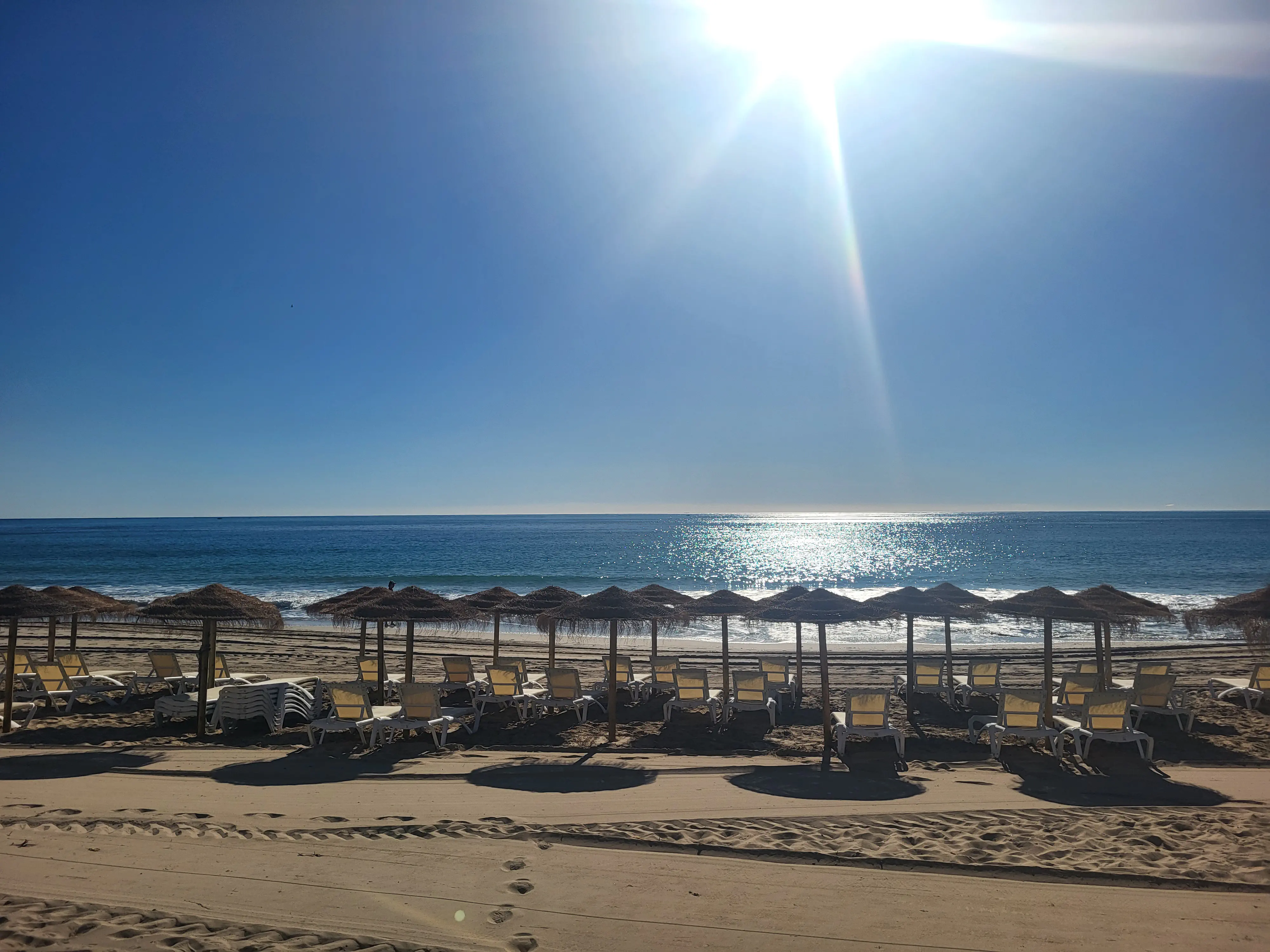
My Personal Siesta Rule These Days
If I’ve had a big lunch and the afternoon heat is humming, I permit myself. Twenty minutes with the fan on, phone on silent. I wake up feeling like I’ve cheated the system in the best possible way.
And you know what? The emails still get answered. The blog posts still get written. The sangria still gets poured at sunset — usually with even more appreciation.
So next time everything shuts at 2 pm, and you feel that familiar wave of frustration, try flipping the script. Grab a shady spot, let your body do what it wants, and join the locals in the gentle art of doing… a little bit of nothing.
The coast will still be there when you open your eyes. Probably looking even more beautiful.
Have you embraced the siesta yet, or are you still in the fighting-it phase? Drop your funniest “Only in Spain” siesta story (or rant) in the comments. Did a long lunch ever turn into an accidental three-hour nap? I read everyone.
Sun, sea, slow living & the occasional cheeky siesta,
Joanne
SunSeaSangria.com ☀️🌊🍹
Comments
Loading comments...
Leave a comment