Pitcher Perfect: How Sangria Went from Ancient Survival Hack to Costa Blanca Royalty
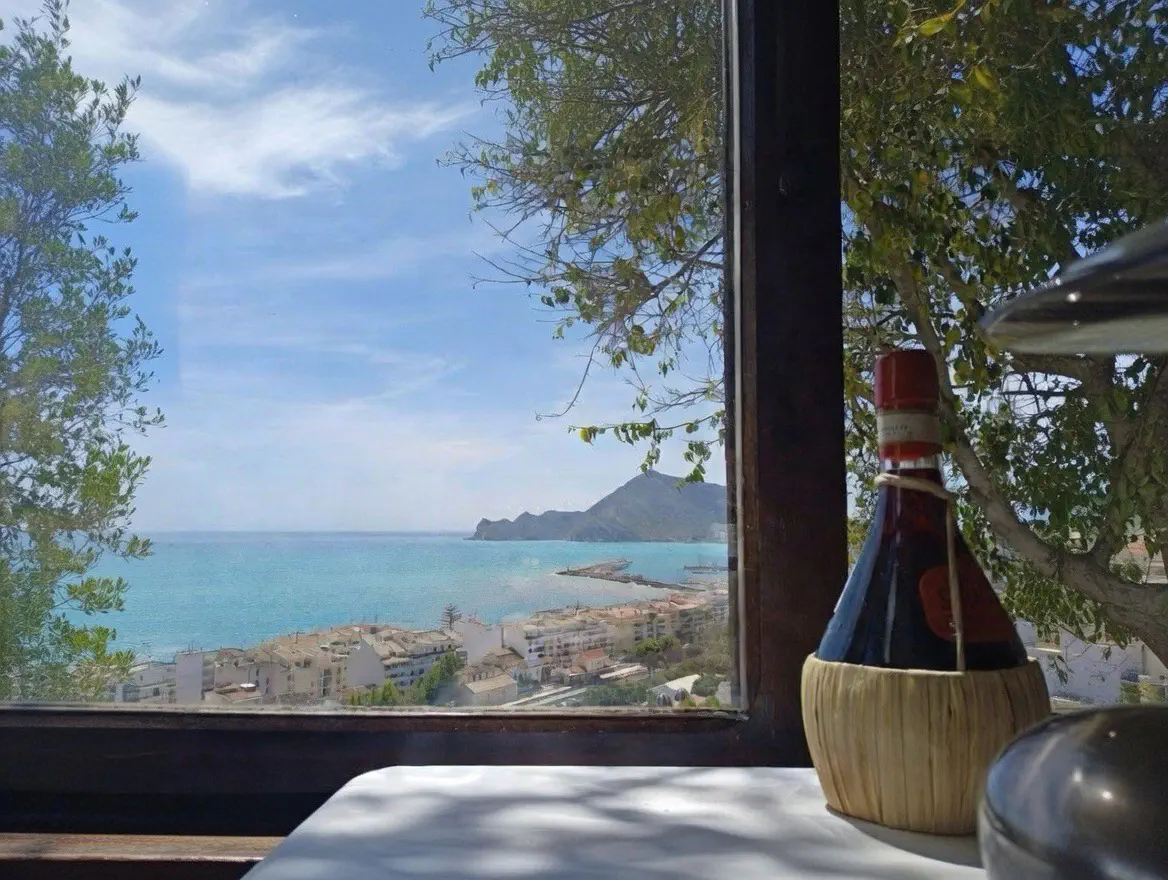
Picture this: You’re sprawled on a Villajoyosa balcony, the Med sparkling like it’s showing off, and there’s a sweating clay pitcher of sangria sweating harder than you after one too many “just one more” rounds. That glorious ruby liquid? It’s not just a drink — it’s basically Spain’s unofficial national mascot, born from necessity, laziness, and a serious love affair with fruit.
The whole saga kicks off over 2,000 years ago when the Romans rolled into the Iberian Peninsula like they owned the place (spoiler: they kinda did for a while). They planted vineyards faster than you can say “¡Salud!”, turning the countryside into one giant wine farm. But ancient water wasn’t exactly Evian — it was more “questionable puddle” territory. Solution? Mix the wine with water to make it drinkable, then toss in whatever herbs, spices, or random fruit were lying around the villa. Boom: proto-sangria. Practical genius. The Romans basically invented happy hour out of survival.
Fast-forward through history’s plot twists. The Middle Ages brought regional spins, like in the Kingdom of León, where folks sipped something called “Leonese lemonade” — basically wine jazzed up with citrus, sugar, and a bit of spice. It stuck around, especially during Holy Week processions (because nothing says penance like a sneaky glass of fruity wine).
Then came the Moors in 711 AD. Wine production? Crickets. Alcohol took a long siesta while the peninsula went dry(ish). But once the Reconquista wrapped up in 1492 and wine flowed freely again, Spaniards got creative. Local oranges, lemons, apples, pears, maybe a cheeky splash of brandy — suddenly, the punch was back, brighter and bolder than ever.
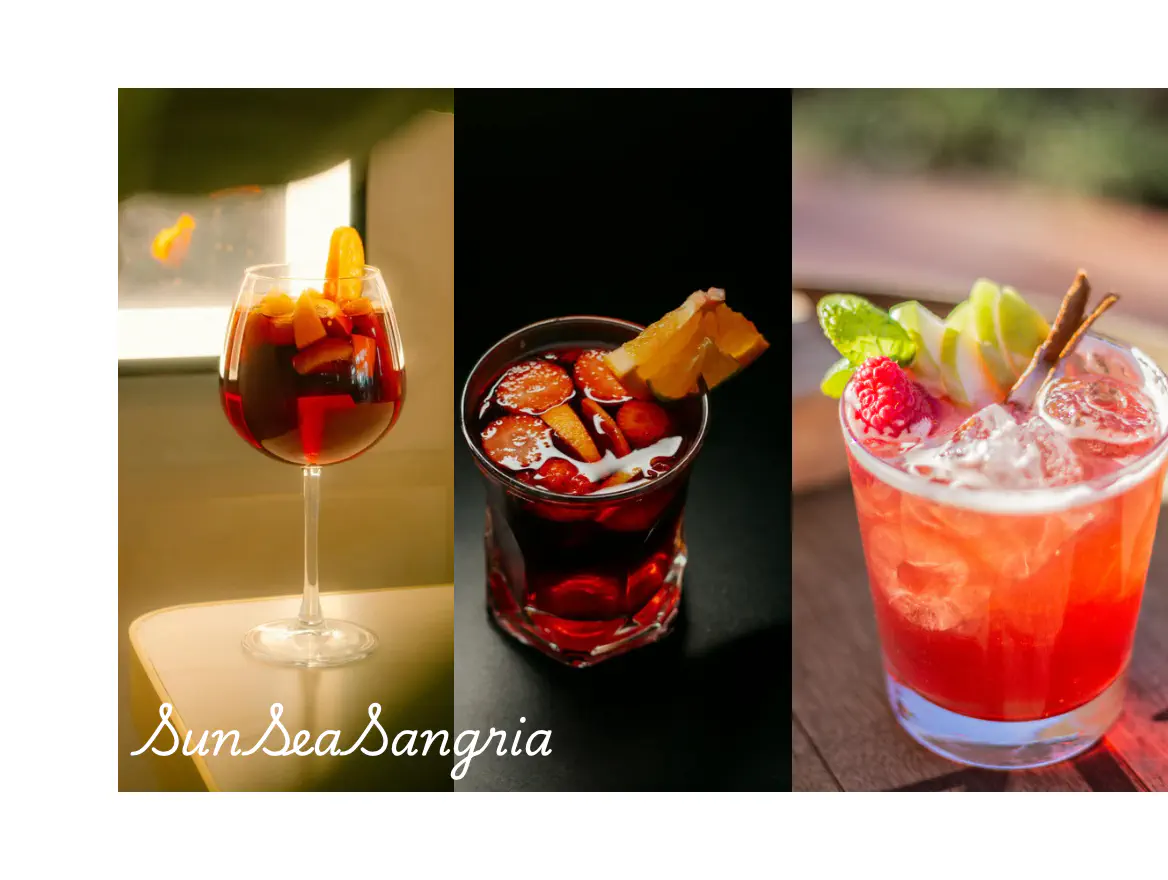
The name “sangria” finally stuck around the 18th century. Straight from sangre (blood in Spanish), because that deep, velvety red hue from the wine looked like… well, you get it. No dramatic bull-ring lore or vampire myths — just “this stuff is blood-red and delicious.” By the 19th century, it was the go-to for family gatherings, village fiestas, and anyone who wanted to stretch a bottle further while looking effortlessly cool.
Traditional Spanish sangria keeps it real: a solid Spanish red (Rioja vibes, anyone?), chopped seasonal fruit (citrus in winter, peaches in summer), maybe a hint of sweetener or spirit, and served ice-cold from a pitcher that gets passed around like gossip. No blenders, no soda overload, no “fusion” nonsense unless you’re doing a white sangria or northern zurra with stone fruits. It’s humble, communal, and made for long, lazy afternoons where the conversation outlasts the ice.
Of course, the world caught on big time in the 20th century. Spain’s pavilion at the 1964 New York World’s Fair basically force-fed it to Americans, and boom — global obsession. But strip away the tourist versions with gummy bears and prosecco fireworks, and you’re left with the real deal: pure Iberian joy in a glass.
So next time you’re nursing a sangria under that relentless Costa sun, tip your glass to those thirsty Romans, the resilient post-Moor winemakers, and every Spanish abuelita who’s ever said, “Just a little more fruit, mi amor.” It’s not fancy. It’s better.
SunSeaSangria’s Cheeky Sangria Recipe
(Serves 6–8 – because who shares just one pitcher? Prep time: 10 mins + chill 2–4 hours or overnight for max flavour)
Ingredients
1 bottle (750ml) young, fruity Spanish red wine – go for a juicy Tempranillo, Garnacha, or cheap-but-cheerful Rioja/Jumilla from the local Mercadona (nothing too oaky or fancy – save the good stuff for sipping neat)
100–150ml brandy (or orange liqueur like Cointreau if you’re feeling posh; we often use a local Alicante brandy for that authentic edge)
2 large oranges – 1 juiced (about 150ml fresh OJ), 1 sliced into thin rounds or wedges (keep the peel on for extra zing)
1 lemon – sliced into thin rounds (gives that bright, tart kick without overpowering)
1 green apple – cored and chopped into bite-sized chunks (adds crunch and subtle sweetness; Granny Smith works best)
1 peach or nectarine (when in season – stone fruit screams Costa Blanca summer; chop into chunks)
2–3 tbsp sugar or honey (fresh honey from Jalon is the best) – to taste (start low; the fruit sweetens it naturally)
1 cinnamon stick (optional but lovely – adds warm spice without going mulled-wine weird)
300–500ml sparkling water or lemon-lime soda (like Sprite or local gaseosa) – add right before serving for bubbles
Ice cubes (loads – this is Spain, not a weak British shandy)
Optional extras: A handful of fresh strawberries or berries if you’ve got ’em, or a splash of orange blossom water for that floral Alicante garden feel.
Lets Mix
Grab your biggest pitcher (the one that survived last summer’s barbecue). Chuck in the sliced orange, lemon, apple chunks, peach bits, and cinnamon stick if using.
Pour over the brandy (or liqueur) and give it a gentle stir to let the fruit soak up the booze – this is where the magic starts.
Add the fresh orange juice, sugar/honey, and the whole bottle of red wine. Stir well so the sugar dissolves (no gritty bottoms!).
Pop it in the fridge for at least 2 hours (overnight is boss – the flavours meld and it gets properly delicious). Taste halfway through – add more sugar if your fruit’s not super ripe, or a bit more brandy if you’re in a celebratory mood.
When you’re ready to serve: Fill glasses with ice, pour the sangria over (fruit bits included – the best part!), top each with a splash of sparkling water/soda for fizz, and give a quick stir.
Garnish with an extra orange slice on the rim if you’re feeling fancy, or just hand it round with a “¡salud!” and watch everyone relax.
SunSeaSangra Tips:
Make it white (sangría blanca) version with a crisp Verdejo if the red feels too heavy in spring – swap in more peaches/nectarines and maybe some mint for a lighter lounger sipper.
Sweetness is personal – we keep ours on the drier side so it doesn’t turn into fruit punch.
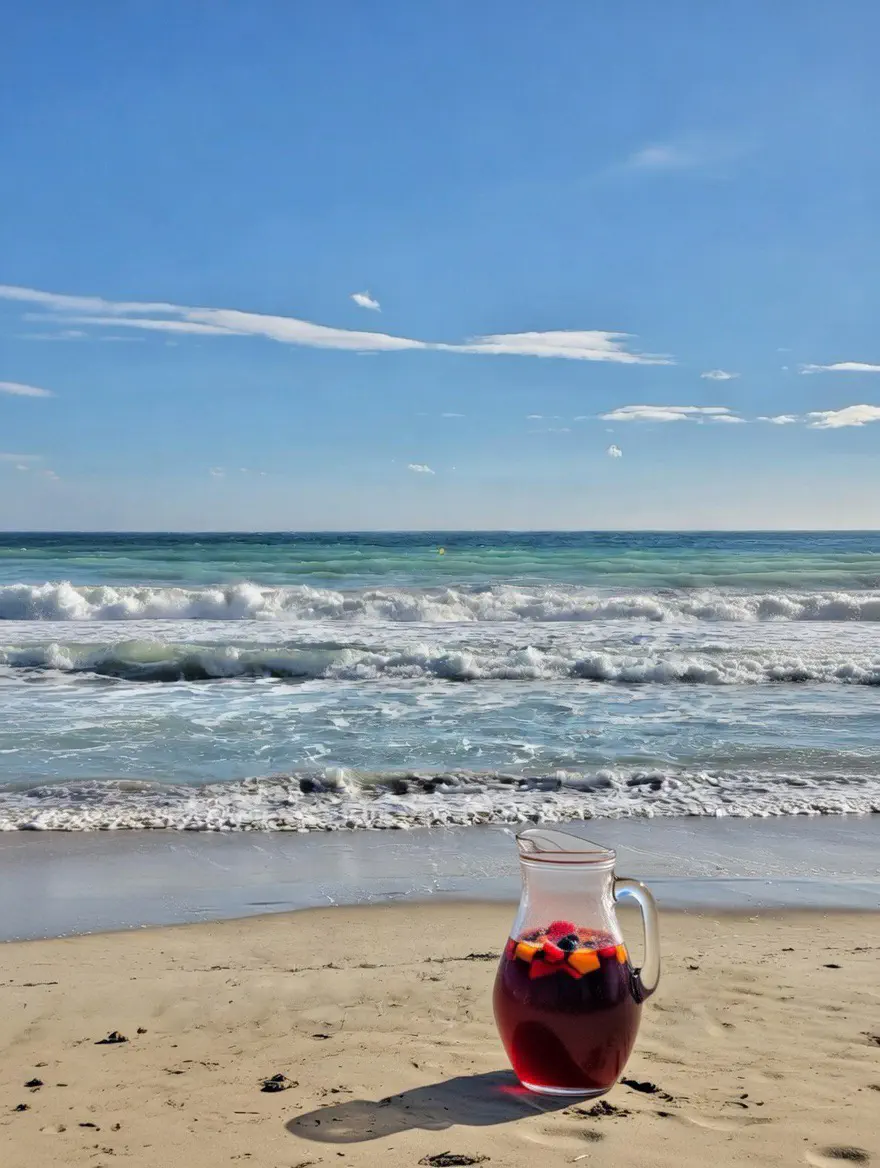
Batch it up for beach picnics or after a trail like Oltà – just transport in a sealed jug and add fizz on-site. (But no drink driving)
Pair it with simple tapas: olives, manchego, jamón, or whatever’s in the fridge after a market run.
There you go – our house recipe, why not take a photo and send it to jo@sunseasolutions.com , and tell me how it was (or what tweak you made – we love a variation!). What’s your favourite fruit to chuck in? 🍹🥾 ¡Salud!
Comments
Loading comments...
Leave a comment