Emergency? ¡Tranquilo! Your SunSeaSangria Survival Plan for Spain
Ay Caramba! What Happens If You Have a Medical Emergency in Spain? (Don’t Panic—Here’s the Sunny-Side Scoop)
Imagine this: You’re mid-paella, dancing at a fiesta, or just chilling on the beach when—oops!—life throws a curveball. A twisted ankle from too much flamenco, a sudden tummy drama from that extra sangria, or something more serious. ¿Qué haces? (What do you do?) Fear not, sun-lovers—Spain’s got your back with one of Europe’s slickest emergency systems. Here’s the lowdown, no drama required.
Step 1: The Magic Number – 112 (Your New Best Friend)
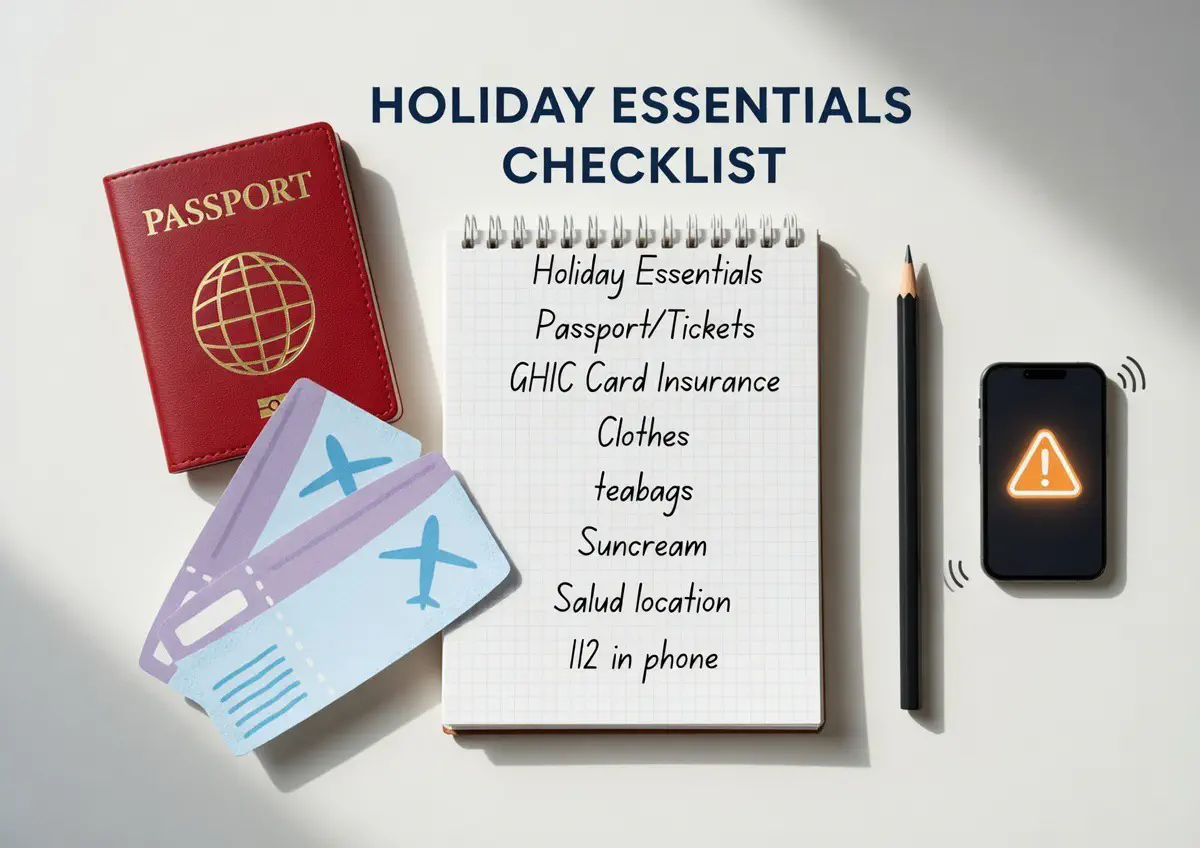
In any real emergency (chest pain, bad fall, can’t breathe, major ouchie), grab your phone and dial 112. It’s the all-in-one European emergency line—free from any phone, even without credit or SIM. Operators speak English (and other languages), assess super quick, and dispatch an ambulance if needed. (Bonus: In some spots, you might hear 061 for pure medical/ambulance help, but 112 covers everything and routes you right.)
No need to stress about language barriers—help arrives fast, and public hospitals (urgencias departments) treat life-threatening stuff first, no questions asked. You’re entitled to emergency care regardless of nationality, insurance, or residency status. ¡Prioridad total!
For Tourists & Short-Term Visitors (Holiday Heroes)
Whip out your Global Health Insurance Card (GHIC) (or old EHIC if you’ve got one). It covers medically necessary treatment in public hospitals on the same terms as locals—often free or low-cost at the point of use. Flash it at the hospital, and you’re golden for emergencies. (Pro tip: Always apply for a fresh GHIC before travel via the NHS site—it’s free and quick!)
But here’s the real tea: Travel insurance is your secret weapon. It covers extras like private treatment, repatriation home if things get wild, or lost luggage drama. Many expats and repeat visitors swear by it—because nobody wants a surprise bill ruining the vibe.
For Expats & Long-Term Sun-Chasers (You’ve Got Options!)
If you’re settled with residency, your SIP card kicks in for public emergencies (and beyond)—straight to the hospital like a local, often zero cost for urgent stuff. UK pensioners with an S1 form registered? Same deal—your UK coverage exports seamlessly.
No SIP yet? Still no panic—emergencies get handled in public hospitals first. You can sort paperwork later. Many savvy Brits mix it: public for the big crises (free/cheap hospital stays!), private insurance for faster follow-ups or English-speaking docs.
Quick Tips to Keep the Fiesta Going
• Save 112 in your phone NOW (and maybe 061 as backup).
• Know your nearest hospital or centro de salud—Google it when you arrive.
• Carry your GHIC/SIP/insurance docs (digital copies work too).
• If it’s not life-or-death but urgent (bad sprain, fever spiking), head to urgencias or call 112 for advice—they’ll guide you.
• Private clinics? Great for speed and comfort, but emergencies usually route to public for the best trauma care.
Bottom line, amigos: Spain’s emergency response is quick, professional, and welcoming to all. Stay safe, but don’t let worry steal your joy—grab that extra sangria (responsibly!), slather on the sunscreen, and know help is just a call away. You’ve got this! 🌞🚑🥂
(As always, rules can twirl like a flamenco dancer—check GOV.UK or your local health spot for the latest. ¡Cuídate mucho!)