School Education in Spain - Where to Start
Choosing the Spanish Education System
We chose the Spanish public education system for our children because we wanted them to become fluent in the language and feel truly at home here on the beautiful Costa Blanca. It’s turned out to be one of the best decisions we’ve made-their confidence, friendships, and sense of belonging have grown so much, and we’re grateful every day.
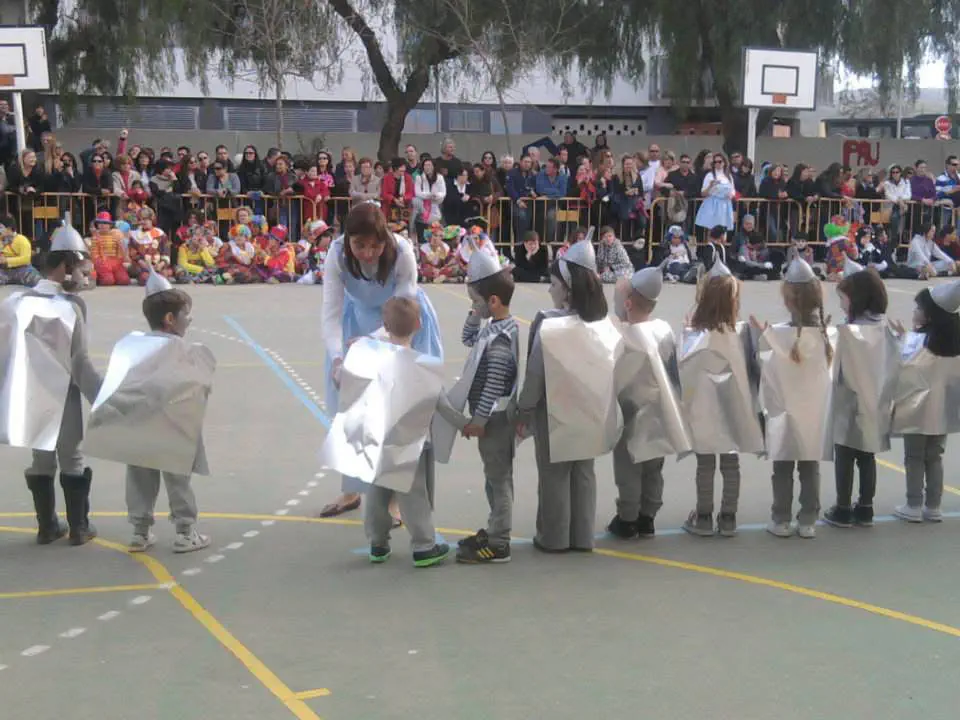
Our daughter (born in England) started school here at just 4 years old, full of those sweet early-years wonder. Living in La Cala de Benidorm, she took the bus to a school in nearby Villajoyosa. We felt a little nervous at first—she was so young, and the bus ride felt like a big adventure for all of us! But she amazed us with how quickly she settled in, picking up Spanish effortlessly and lighting up with new friends. The full immersion worked wonders; her language skills blossomed, opening up a whole new world for her.
Every child is unique, though, and while the experience built her independence beautifully, we had a few challenges with some classmates (as can happen when little ones are adjusting to a new environment). We decided a different school in another own town would suit our family even better. Switching meant we could walk her to the gate each day and be right there if she needed us. It brought such peace of mind, and she thrived even more-making dear friends she still has today.
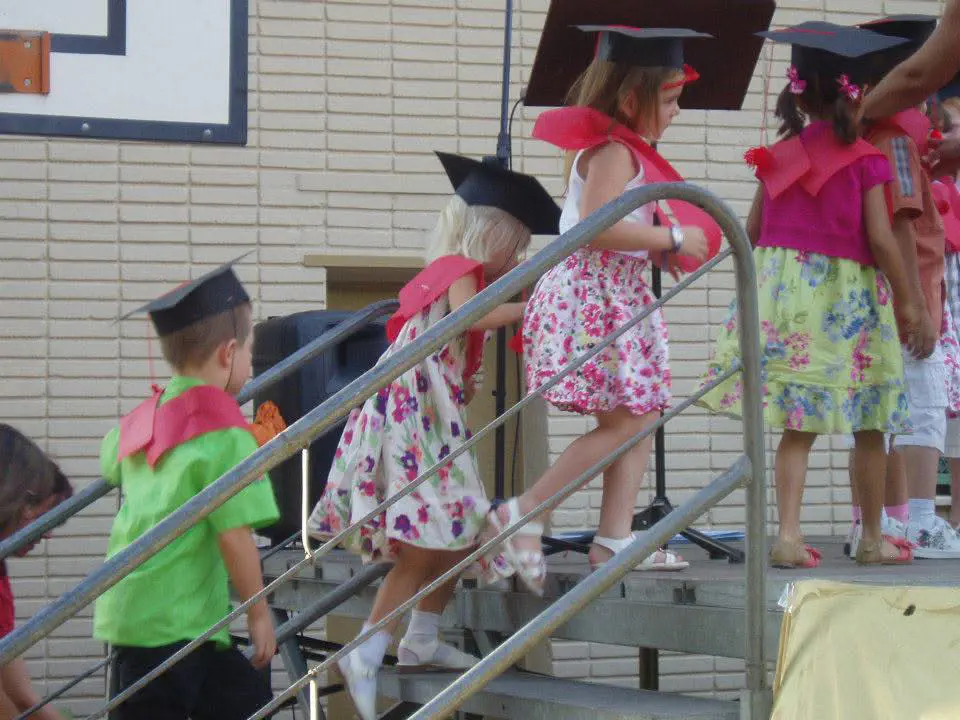
Two years later, we enrolled our son too, and now he’s in his final year of secondary school. Our two children are so different, and they’ve each had their own little challenges along the way (as kids do anywhere!), but with love and support, they’ve come through it stronger and happier. The Spanish system has given them real roots here-fluent Spanish and memories of sunny school days they’ll always treasure.
SunSeaSangria Tip: If you’re moving here with teenagers who’ve already started school in the UK (or elsewhere), the language barrier, both Spanish and Valencian can feel tough at first. Starting a simple Spanish course (apps like Duolingo, online classes, or local academies) about six months before you arrive makes a huge difference in helping them settle and feel more confident from day one.
- The Basics of the Spanish School System
Spain’s public education is free (just small costs for books, supplies, or optional extras), compulsory from age 6 to 16, and generally high-quality-though it varies by area and school. In the Valencian Community (including the Costa Blanca), many public schools are bilingual: classes mix Spanish (Castellano) and Valencian, with English often taught as a foreign language from early on. Expat-heavy zones sometimes offer extra support for newcomers.
Here’s a quick breakdown of the stages:
• Educación Infantil (preschool, ages 3–6): Optional but very common—most kids start at 3. It’s play-based, focusing on social skills, early language (Spanish and Valencian), and fun activities. Great for building confidence before primary.
• Educación Primaria (primary, ages 6–12): 6 years in a “colegio.” Core subjects include Spanish, maths, sciences, PE, arts, and usually English. Often one main teacher per class in the early years, with more specialist subjects later.
• Educación Secundaria Obligatoria (ESO) (compulsory secondary, ages 12–16): In an “instituto.” More subjects, different teachers per class, exams, and a focus on independence. Ends with the Graduado en ESO certificate.
• After 16: Optional Bachillerato (2 years, academic track for university) or vocational training (Formación Profesional, hands-on for careers).
Public schools emphasize inclusion, with support for newcomers (like “aulas de acogida” welcome classes for language help in some places). The sunny climate means lots of outdoor play and PE time—perfect for Costa Blanca kids!
3. Our Personal Experience
• Language & Adaptation: The initial shock of mostly Spanish/Valencian classes was real, especially if starting with little language. But kids adapt so fast—ours picked it up through play and friends quicker than we did as adults! Funny moments like mixed-up words turned into great stories. Some schools have welcome support for non-Spanish speakers. Speak to other mams in the class, this helps so much when you first arrive.
• Daily Life & Schedule: School often runs 9am–2pm (or longer with lunch/comedor), leaving afternoons free for siesta, beach time, or homework. Shorter days than some systems, but homework can vary—ours found it manageable once settled. Homework classes are great if you’re are struggling. Check the local towns, some have after school classes.
• Social Side: Making Spanish friends was a highlight—group activities and local fiestas helped hugely. There are cultural differences (more emphasis on community and traditions), but it built real social confidence.
• Pros We’ve Seen: Full immersion = fluent Spanish (a lifelong gift!), exposure to Valencian culture/history, free education, outdoor time in the sun, and strong local roots.
• Challenges: Early language barriers, some bureaucracy for enrollment (NIE, padrón/residency registration needed), varying school quality, and fewer structured extracurriculars than in some countries. Repeating a year is possible if needed, but support is there. Look for a good gestor that can help you with your paperwork.